

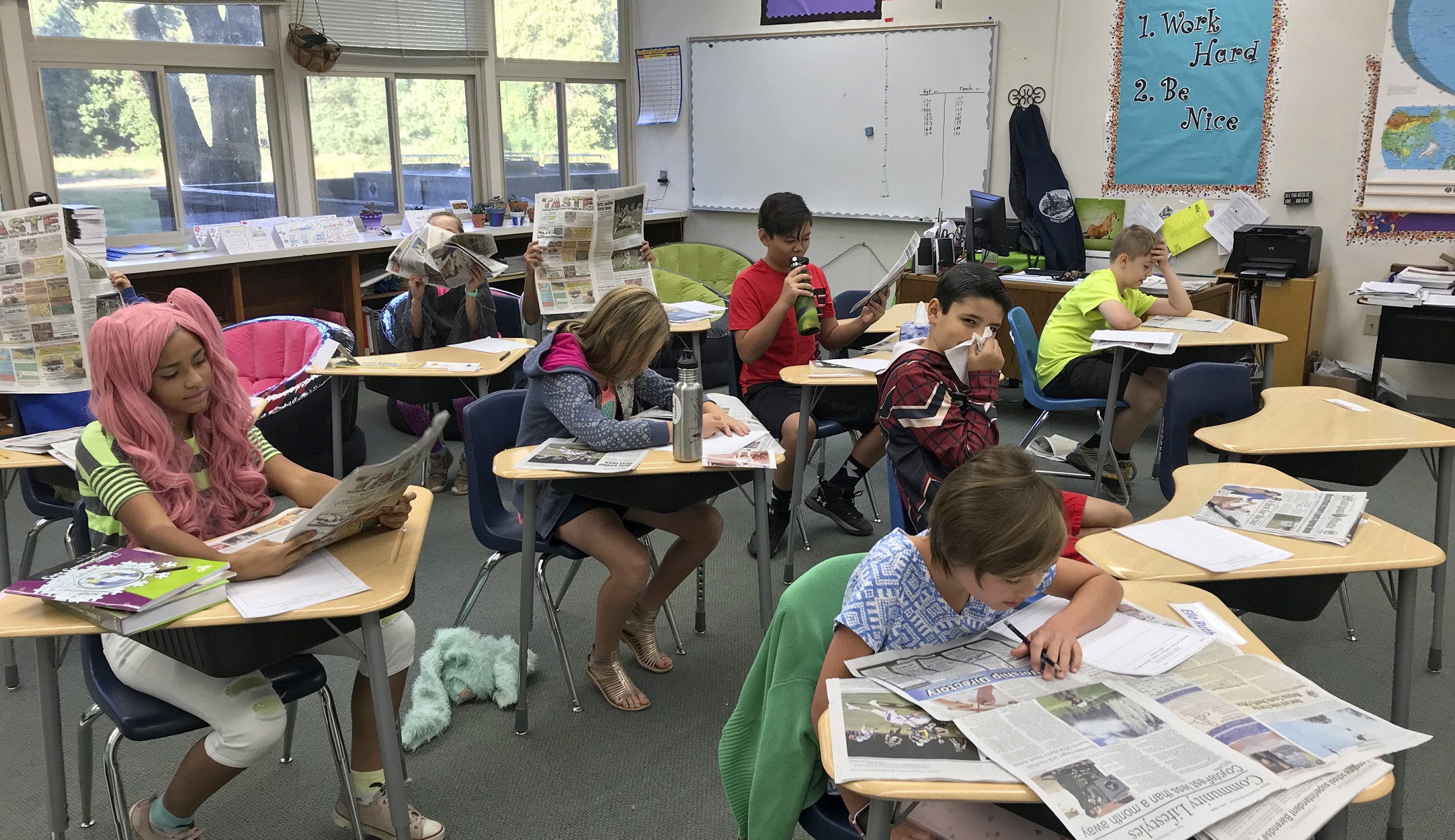
No one should fault our leadership for closing schools in March, given the uncertainty and limited information about COVID-19 available then. Three months later, we now have ample evidence about the risks of the virus to weigh against the short- and long-term harm to children from not reopening schools. Studies now show that not only are children far less likely to be diagnosed with COVID-19, but they also do not spread it to others easily. However, depriving children of traditional schooling can have severe consequences for their health, welfare, and socioeconomic prospects. For these reasons, countries from Norway to New Zealand have resumed traditional schooling with appropriate safety measures in place. Schools in the United States should do likewise in the fall.
While 22% of the population are aged under 18, a Centers for Disease Control and Prevention study found that this group made up just 1.7% of recorded novel coronavirus cases between Feb. 12 and April 2. A new study of over 1,000 patients seeking care unrelated to COVID-19 at Seattle Children’s Hospital in March and April found only 1% had been infected, and most had no symptoms.
Stay informed.Stay ahead.
Join Washington Examiner for unlimited access to the news, analysis, and commentary that matter most.
Already a member? Log in
