Florida has reported more than 6,700 confirmed coronavirus cases in the last week, with 85 deaths and 850 hospitalizations. The state is quickly becoming the next national hot spot for the COVID-19 virus, yet health experts are concerned its government is woefully unprepared.
The acceleration of cases in southern Florida, specifically in Miami, resembles the quick spread of the coronavirus in New York, according to projections by the Center for Disease Control and Prevention. The “pace of the case growth” also suggests Florida was “heavily seeded” at some point in February, said Dr. Scott Gottlieb, the former commissioner of the Food and Drug Administration.
Recommended Stories
Florida continues to show an acceleration in new #COVID19 cases, with Miami as one of a number of epicenters of spread. The state was probably heavily seeded at some point in early/mid February given pace of the case growth, which suggests there are multiple expanding clusters. pic.twitter.com/CBywYaBj3k
— Scott Gottlieb, MD (@ScottGottliebMD) March 31, 2020
The state’s schools have closed, and most of southern Florida is under lockdown, but DeSantis has not extended the shelter-in-place order to the rest of the state. At first glance, DeSantis’s decision seems to make sense. After all, 29 of Florida’s 67 counties had 10 or fewer cases of the COVID-19 virus, as of Tuesday night. The state’s health officials, however, warned that the low number of cases in rural counties is the result of Florida’s lack of testing.
Florida has only completed about 65,000 tests total. As of last week, New York was testing up to 18,650 per day. And as a result, New York is beginning to approach its peak and “start slowly turning the corner,” says Gottlieb. This is the model Florida must follow in order to prevent a similar crisis, Gottlieb argued.
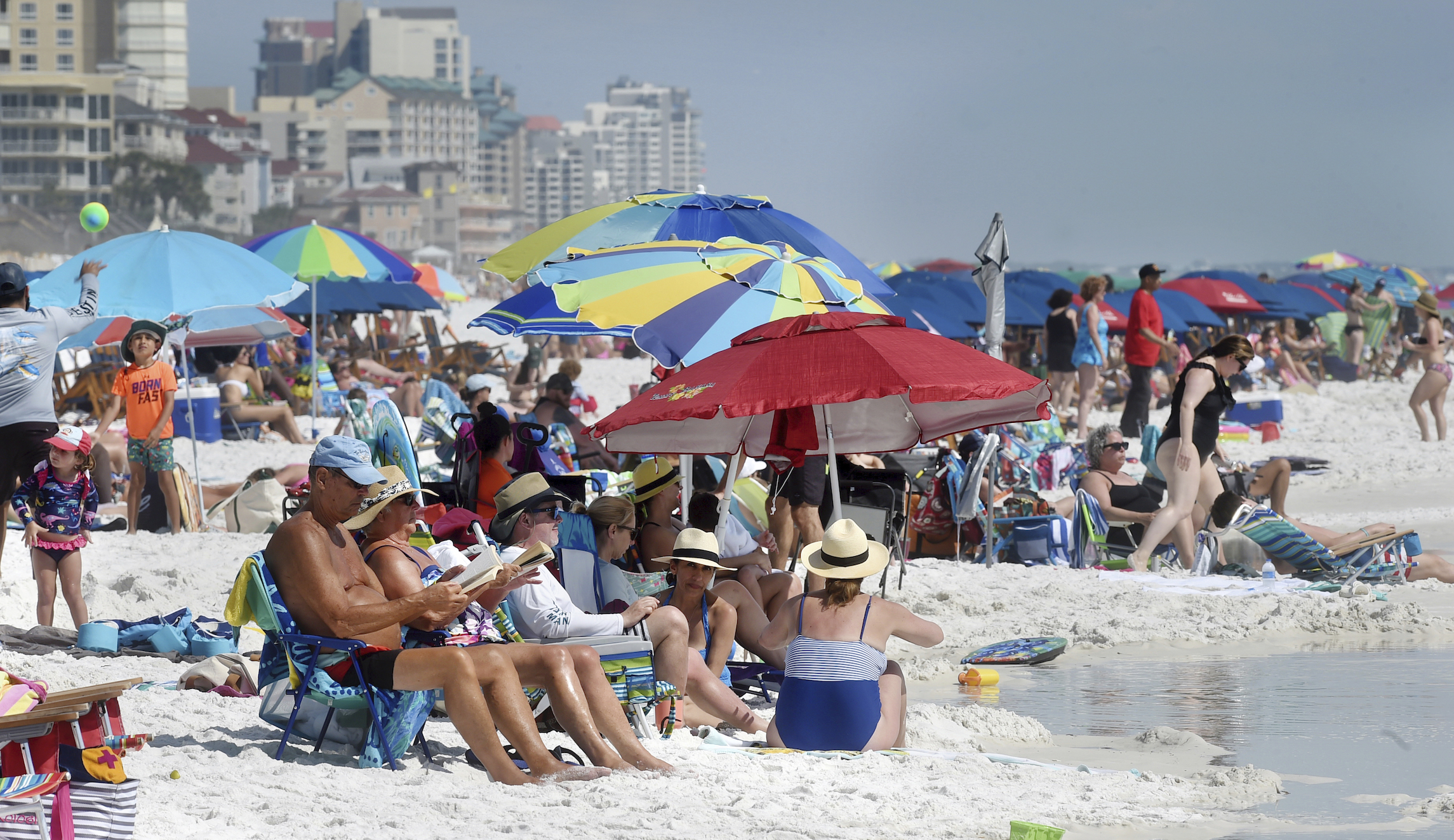
Florida is already racing against the clock. The state was slow to react to the spread of the coronavirus, allowing its businesses to remain open throughout the first weeks of March when the virus was officially designated a pandemic. Florida’s beaches are were still open a little over a week ago, and many of them were busy. And now, the state is trying to ward off travelers from New York and other states who fled coronavirus hot spots. As a result, Florida’s numbers are beginning to skyrocket.
If Florida does not act now, it could become the next New York, and the results could be disastrous. Florida’s large senior population is particularly at risk, and many of Florida’s rural counties do not have the resources or the doctors to handle a widespread outbreak, according to Jerne Shapiro, an epidemiology professor at the University of Florida.
Preventative action will require a statewide stay-at-home order and mass testing. DeSantis is reluctant to enforce stringent, statewide social distancing, but that caution is by now irresponsible. If he doesn’t already realize that he has a crisis on his hands, he will soon.
