

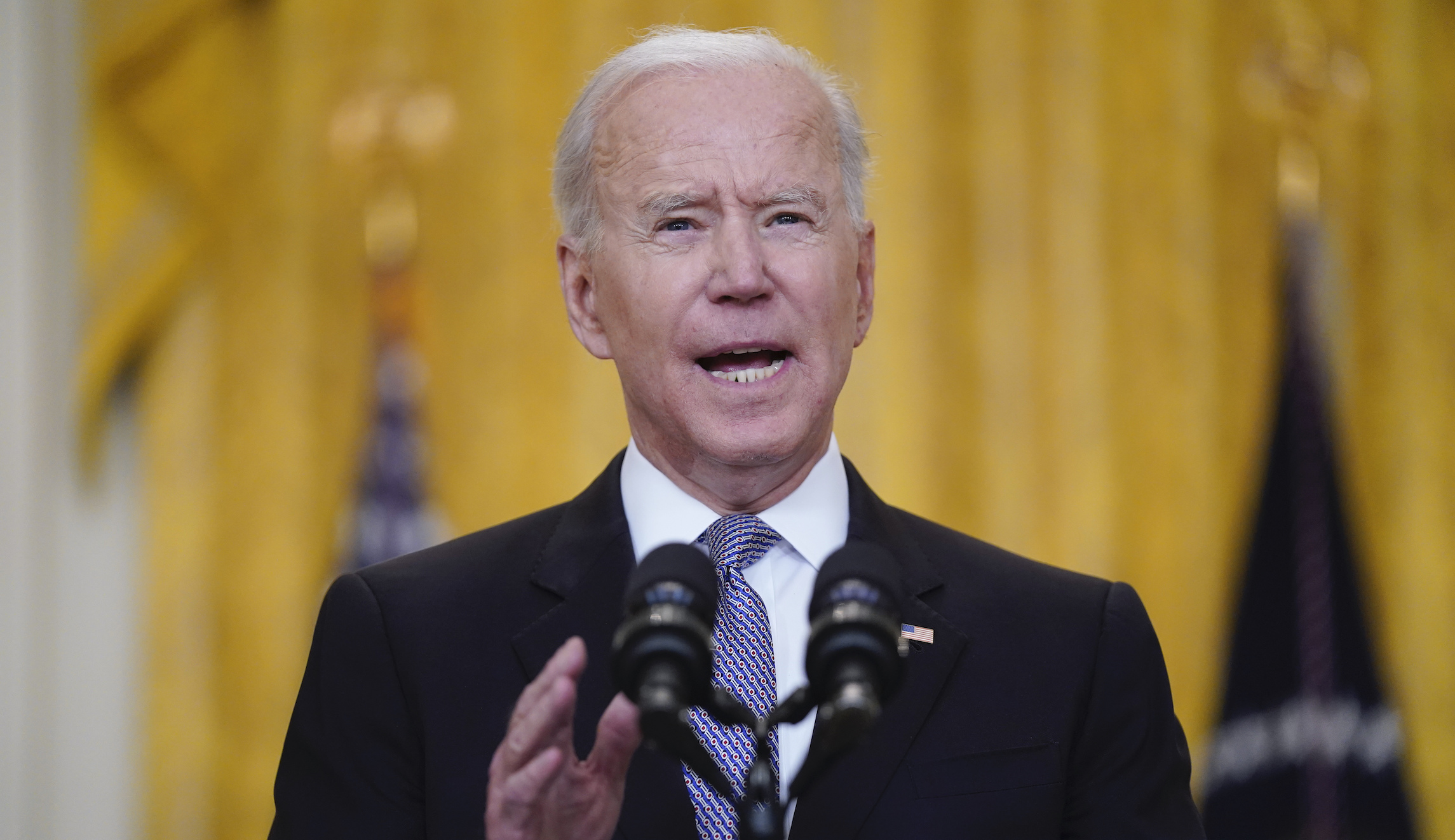
President Joe Biden’s plan to inject $4 trillion of social and capital infrastructure spending into a $21 trillion economy could help many people take care of their families. But there are also major economic and political downsides. These risks could be reduced, and the proposal’s value increased, by putting Social Security on the table and targeting new social spending to people most in need.
Some economists think the Keynesian jolt would be too big, triggering inflation and pushing the debt to levels that would restrict government’s ability to handle future challenges. The Congressional Budget Office projects that in 20 years, almost 30% of all yearly fiscal revenue will have to be used to pay interest on government debt, up from the current level of 8%, according to an analysis in the Wall Street Journal.
Stay informed.Stay ahead.
Join Washington Examiner for unlimited access to the news, analysis, and commentary that matter most.
Already a member? Log in
