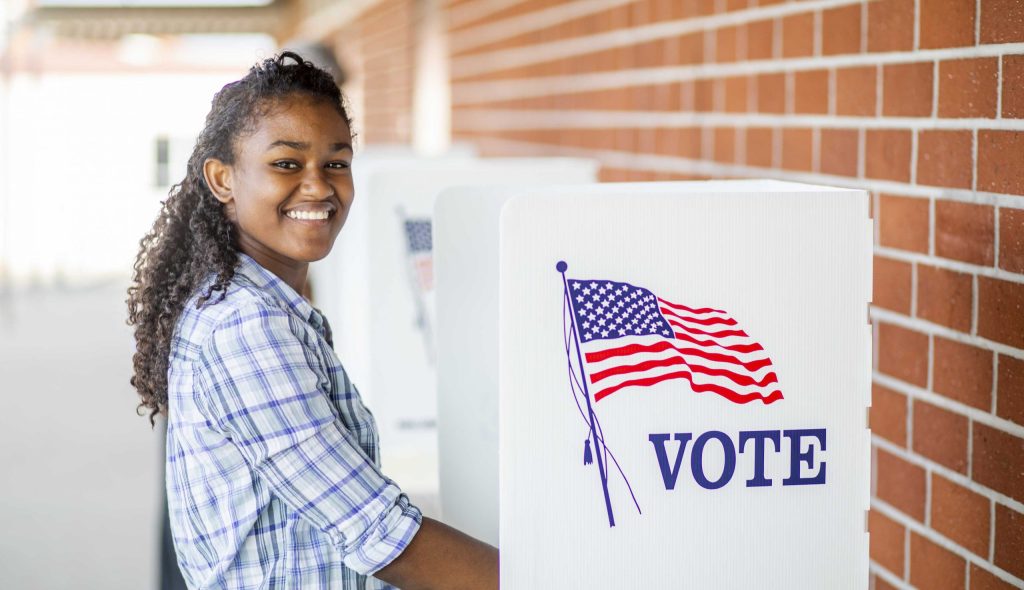
Like popcorn in hot oil, the question of 16-year-olds voting has started popping up around the country. Four cities already allow it in local elections: three in Maryland and, ever on the bleeding edge of change, Berkeley, Calif. More important are the states considering it, since this would allow 16- and 17-year-olds to vote for president. It looked like the District of Columbia might approve 16-year-old voting, but the matter has been tabled there. Legislators are considering it in states as diverse as Kentucky, Nebraska, and Michigan, and students were in the Massachusetts capital last week looking for bill sponsors. Rep. Grace Meng, D-N.Y., has put forward a constitutional amendment to change the national voting age from 18 to 16 — though, with the high approval threshold required, you can bet against that one.
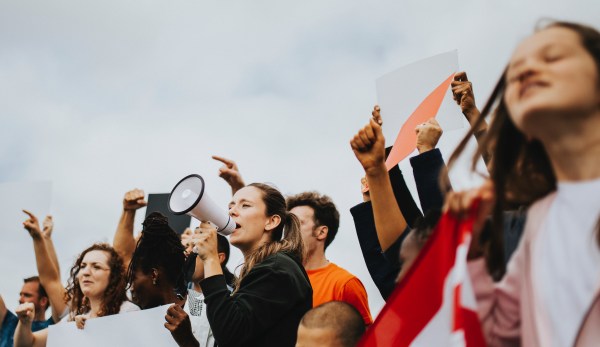
The oil causing this issue to pop seems lukewarm at best — it has arisen out of last year’s student protests over gun violence on campuses. Some believe student protests prove teenagers care about politics, or at least one issue, and this has fueled a national movement. It seems like a bad idea to me, but what we have not known until recently is how these younger voters might vote if they could.