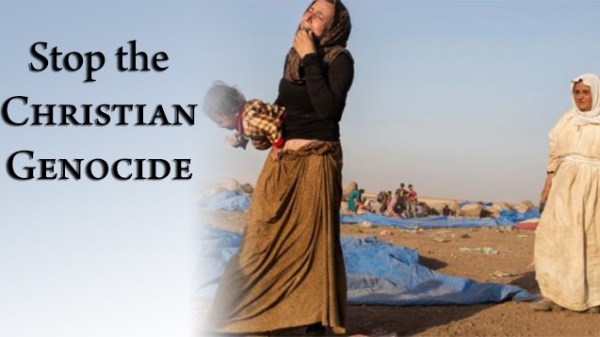
After spending a week in Iraq’s Nineveh Plains meeting with local priests, victims of the Islamic State’s genocidal campaign, various Christian political parties, and refugee camp administrators, one thing has become clear to me: The complexity of the situation prevents the United States from being able to chopper in, deliver an enlarged cardboard aid check, take a photo-op, and walk away. This is assuming, of course, that our goal is to preserve ancient Christian and Yazidi communities that populate Northern Iraq, as opposed to simply burnishing our own sense of benevolence.
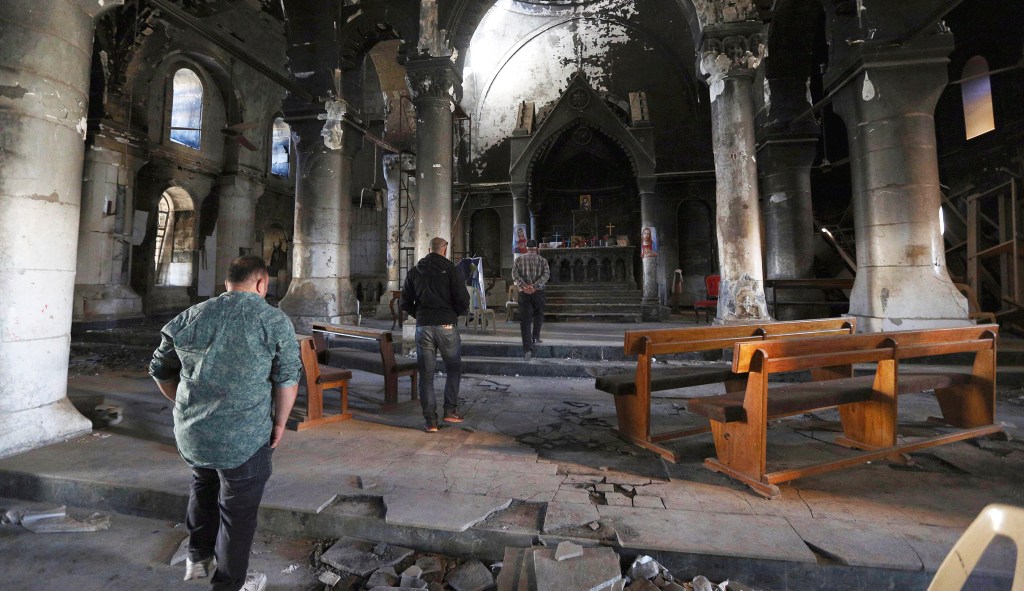
Northern Iraq is dotted with beautiful ancient churches and monasteries that date back to the 4th century and embody the rich culture and religious histories of faith communities that have survived and thrived despite generations of persecution, marginalization, and direct violence. The troubles of Christians in the area did not begin with ISIS. Al Qaeda had been attacking Christians in Iraq since 2003, though the actions of ISIS could be the final blow to these peoples if the international community does not remain committed to their survival. Though the numbers speak for themselves: Iraq’s population of 1.5 million Christians in 2003 has gone down to roughly 160,000 today.