

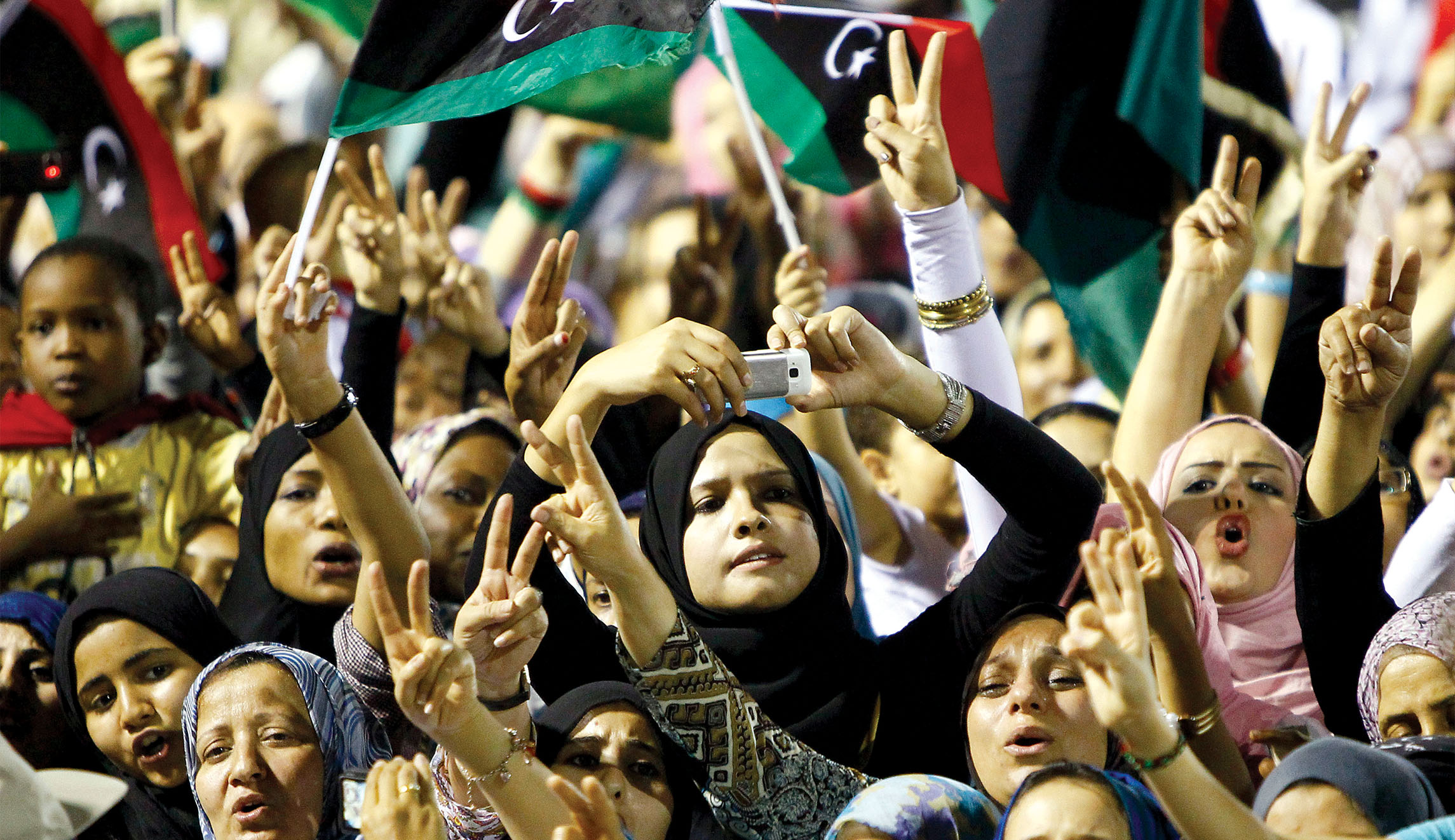
Libyans were still optimistic. It was Feb. 17, 2013, the second anniversary of the NATO-backed, popular uprising that ousted “the mad dog of the Middle East,” as Ronald Reagan famously dubbed Col. Moammar Gadhafi.
Democracy activists were quelling their doubts about the future. Anything and everything was still possible. Libya would become refreshingly modern and develop into the Arab Spring’s big success story, despite the Benghazi attack five months earlier in which Ambassador Christopher Stevens and three other Americans had been killed.
Real journalism.Trusted by millions.
Unlimited access to in-depth reporting, expert analysis, and the stories that shape our country.
Subscribe Now
Already a member? Log in
Print subscriber? Click here to login/register your account
Digital subscriber? Click here to login/register your account.
