

With May’s arrival, the United States is now in its third month of dealing with the COVID-19 pandemic. It’s starting to feel like this public health crisis has dragged on forever. That’s because the vast majority of us have never experienced an outbreak of this magnitude before — which is a testimony to the great strides science and the medical field made in the second half of the 20th century.
Unfortunately, that long run of good health America experienced is the exception rather than the rule. The U.S. has actually endured a surprising number of epidemics in our history. It’s worth revisiting one of the very first to understand how we’ve faced, and survived, such challenges before.
Recommended Stories


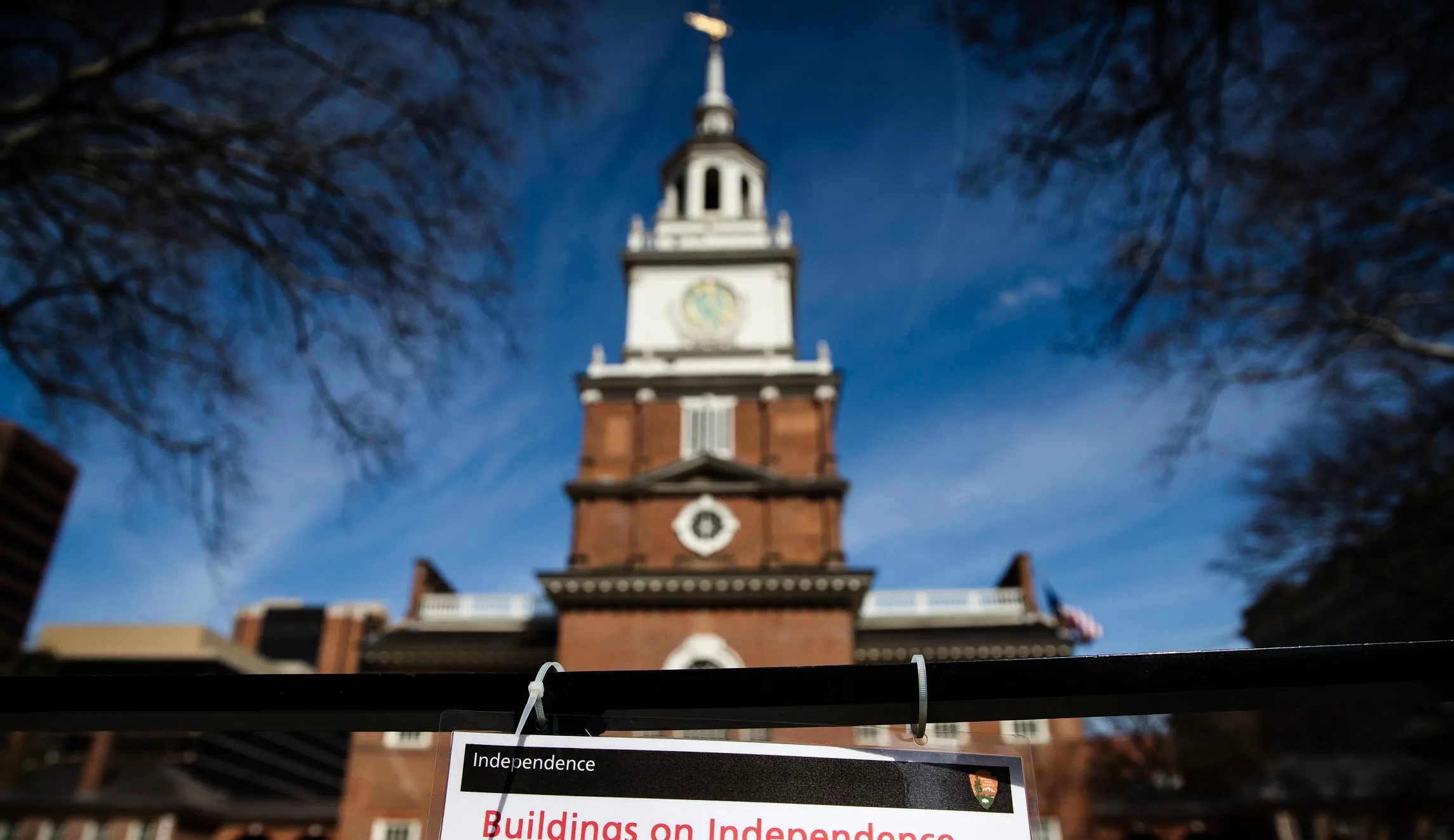
The federal government was only four years old when one of the deadliest illnesses in our history struck, Philadelphia’s Yellow Fever Outbreak of 1793. Not only was Philly the country’s largest city at the time, it was also the U.S. capital, which made the outbreak doubly serious.
It’s believed the epidemic may have begun that summer, when some 2,000 people arrived in the City of Brotherly Love after fleeing a slave rebellion in modern Haiti. They likely brought the virus, and the infected mosquitos that carried it, with them. Science didn’t know at the time the insect was responsible for transmitting bloodborne diseases.
The first two deaths were reported in early August. Both were immigrants: one from Ireland, the other from the Caribbean. As the number of deaths mounted, Dr. Benjamin Rush, a signer of the Declaration of Independence, physician, and community leader, noticed an emerging pattern. He notified city leaders, and an epidemic was soon declared.
Something especially troubled Rush and his fellow doctors: Unlike most illnesses, this one didn’t target the very young and the very old. It struck people in the prime of life, from teenagers to those in middle age.
Some 50,000 people lived in Philadelphia in 1793. Within months, more than 20,000 of them had fled. Of the 30,000 who remained, more than 5,000 (or 1 in every 6) died.
Ironically, the city’s Pennsylvania Hospital followed the established practice of the time and didn’t admit patients with infectious diseases. Families tended their sick as best as they could. It wasn’t a pretty ailment because it produced severe fever, profuse sweating, vomiting, and a yellowish skin tone that gave the sickness its name. Caregivers could do little but wipe feverish brows, hold clammy hands, and pray.
It was thought the noninfected could protect themselves by holding a handkerchief soaked in vinegar and camphor to their mouth and nose. They were also advised to avoid physical overexertion, drinking too much alcohol, night air, and a host of other things that also didn’t work, such as carrying a tarred rope or a camphor bag tied around the neck. Then as now, person-to-person contact was strongly discouraged.
Fortunately, Congress had adjourned until November. President George Washington stayed in town until Sept. 10, when he left for his Virginia estate. (Along the way, he stopped at the site of Washington, D.C., to place the cornerstone of the United States Capitol Building.) With the epidemic worsening, many other national leaders also fled to safer regions. Some had difficulty escaping the fever’s deadly grip. Baltimore to the south and New York City to the north imposed severe quarantines, keeping out people and items from Philly for many weeks.
To use 21st-century terminology, the outbreak’s curve finally peaked the week of Oct. 7-13 when 711 people died. Fatalities dwindled as October progressed. What doctors didn’t realize was frost was killing mosquitos, the virus’s carrier.
By Oct. 16, a newspaper was reporting that “the fever has considerably abated.” Stores reopened for business on Oct. 25. Washington and other government officials met in nearby Germantown in early November. He returned to the city on Nov. 11, and the epidemic was officially declared over on Nov. 14.
Philadelphia experienced other bouts of yellow fever in 1797, 1798, and 1799. But none were as intense, as prolonged, or as deadly at the one that closed the U.S. government in the late summer of 1793.
J. Mark Powell (@JMarkPowell) is a contributor to the Washington Examiner’s Beltway Confidential blog. He’s vice president of communications at Ivory Tusk Consulting, a South Carolina-based agency. A former broadcast journalist and government communicator, his “Holy Cow! History” column is available at jmarkpowell.com.
