As Justice Oliver Wendell Holmes wrote in 1919 in the case of Schenck v. U.S., “the most stringent protection of free speech would not protect a man in falsely shouting fire in a crowded theatre and causing a panic.” He convinced the eight other judges, who agreed that in the case of harm being done to innocent parties, some forms of free speech should be squelched.
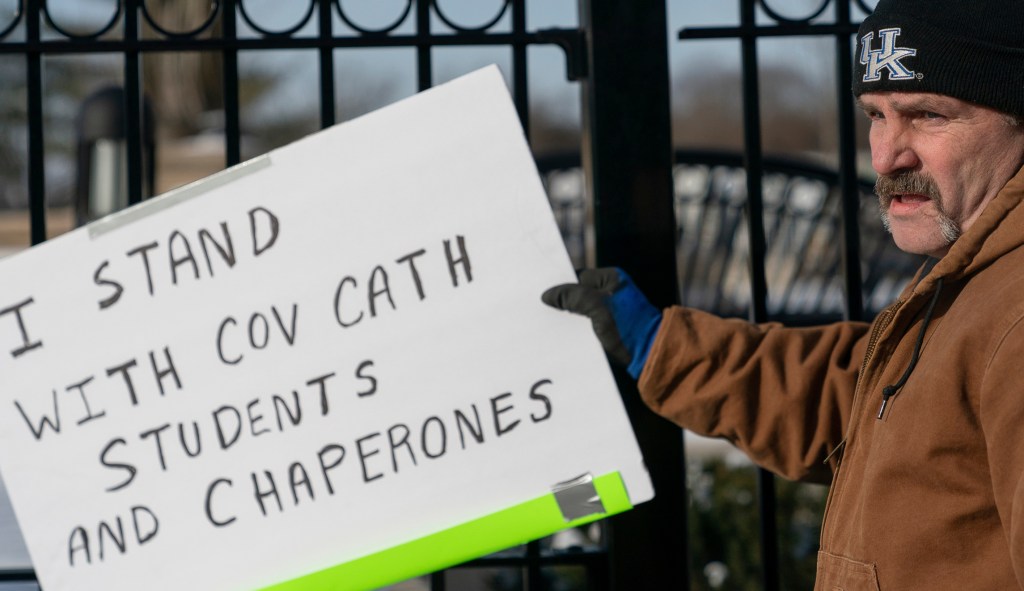
In the matter of Schenck, the problem was leaflets, which were easily confiscated. But what can be done in this Twitter world, where a misleading account of what might not have happened can be flashed round the world in a matter of seconds? Fake accounts that are startlingly convincing can be disseminated to people who may not be stable, who then say and do things to innocent people that could affect the rest of their lives.