

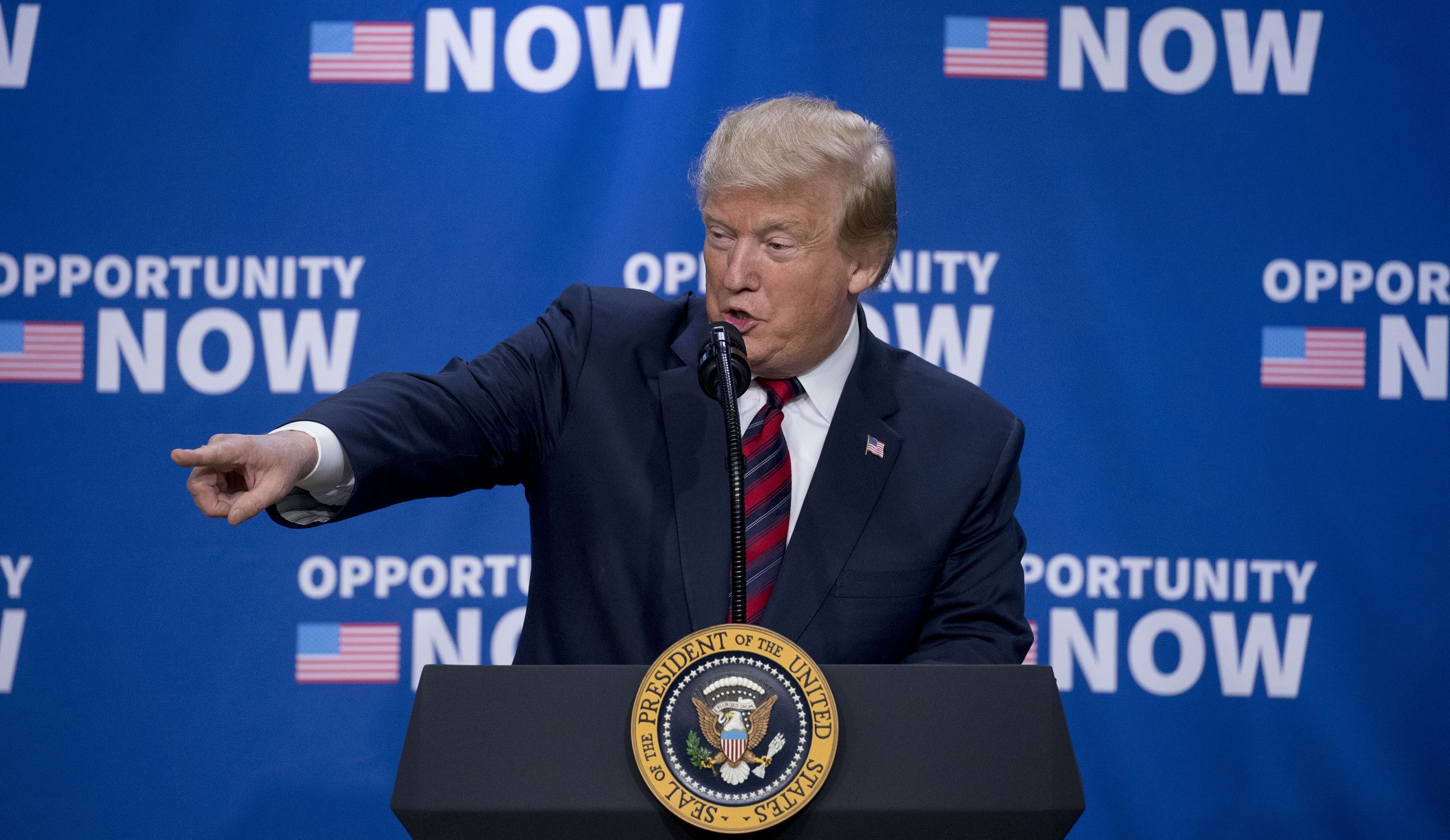
After more than 50 years, the outdated government-dependency approach to fighting poverty has shown its limits, having raised the living standards of the poor but failed to expand self-sufficiency through work as President Lyndon B. Johnson’s War on Poverty envisioned. This unsatisfactory victory is why President Trump championed a new approach to fighting poverty through the 2017 Tax Cuts and Jobs Act’s Opportunity Zones provision, which is a major policy success that he will speak about on Friday in Charlotte, North Carolina. Instead of raising taxes and discouraging economic activity, Opportunity Zones provide targeted tax cuts to spur development and job creation in struggling communities.
Traditional anti-poverty programs provide cash grants or subsidize the demand for goods, such as healthcare, food, or housing. While these programs provide support to children, the elderly, and the disabled, they can also weaken the incentive to work for able-bodied, working age adults. Research by University of Chicago professor Casey Mulligan has shown that the largest traditional anti-poverty program, Medicaid, discourages people from working by an amount equivalent to their payroll taxes, with about 11 million workers being worse off if they work more because the program benefits they lose exceed their increased earnings. As such, they discourage people from becoming self-sufficient because earning income through work can lead to disqualification from benefits.
Stay informed.Stay ahead.
Join Washington Examiner for unlimited access to the news, analysis, and commentary that matter most.
Already a member? Log in
