

Certain readers consider themselves guardians of the canon and refuse to class crime stories as literature, filing these books away out of sight in that baggy, catch-all category of genre fiction. There is, to be sure, the bad crime novel, or the run-of-the-mill offering, which relies too much on plot and pace. But there is also the well-written crime novel that prioritizes people and place. James Lee Burke is a practitioner of the latter. His finest books are literary masterpieces that explore the more sordid side of American life while shining a light into the darkest recesses of the soul.
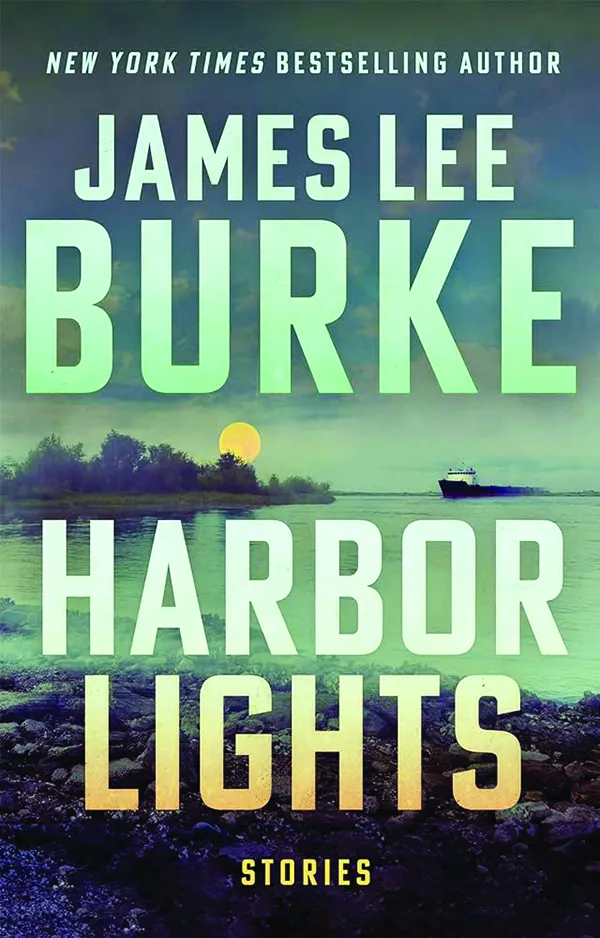
Burke’s career has been long and his output prolific, not to mention varied. There are his westerns and epic novels of the Civil War. There are his novels featuring former Texas Ranger-turned-attorney Billy Bob Holland, and those starring his cousin, Texas Sheriff Hackberry Holland. Best of all, though, is the series of bestselling and critically acclaimed novels fronted by Burke’s most compelling and indeed most complex creation, Louisiana police detective Dave Robicheaux. While Robicheaux’s adventures make up a sizable chunk of his creator’s prodigious output, Burke’s back catalog contains only two short story collections, neither of which includes outings for his Cajun detective.
Real journalism.Trusted by millions.
Unlimited access to in-depth reporting, expert analysis, and the stories that shape our country.
Already a member? Log in