

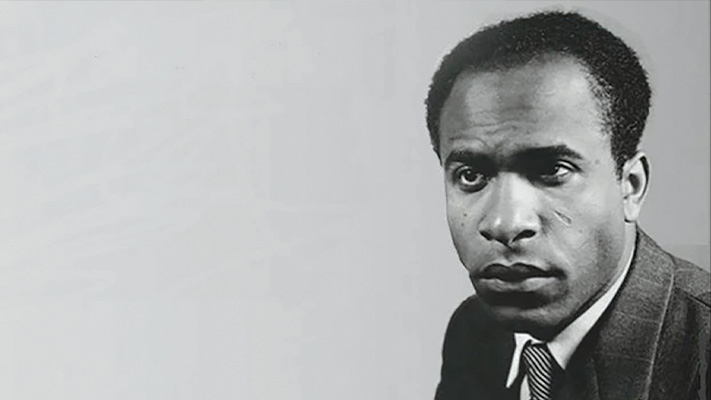
Frantz Fanon, the intellectual patron saint of violent national resistance movements, is among the authors most likely to be quoted on a sign held up at the protests that have recently taken up so many headlines. In the new book The Rebel’s Clinic: The Revolutionary Lives of Frantz Fanon, London Review of Books editor Adam Shatz offers a sympathetic yet frank assessment of his much-too-romanticized life and thought.
Born in Martinique in 1925 into a patriotic bourgeois family, Fanon received the Croix de Guerre fighting for the French resistance. But the racism he faced made him break with France. For a while he hoped that the Négritude movement of Léopold Sédar Senghor and Aimé Césaire could provide the sense of belonging that France had refused him. However, he soon became convinced that neither Senghor’s belief in blackness nor Césaire’s effort to integrate Martinique with France could sustain true liberationist politics. It was instead in Algeria that he found his life’s cause.
Stay informed.Stay ahead.
Join Washington Examiner for unlimited access to the news, analysis, and commentary that matter most.
Already a member? Log in
