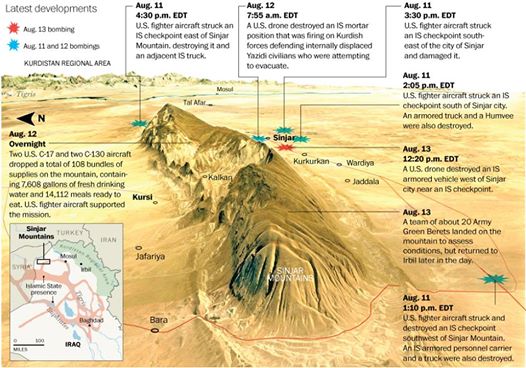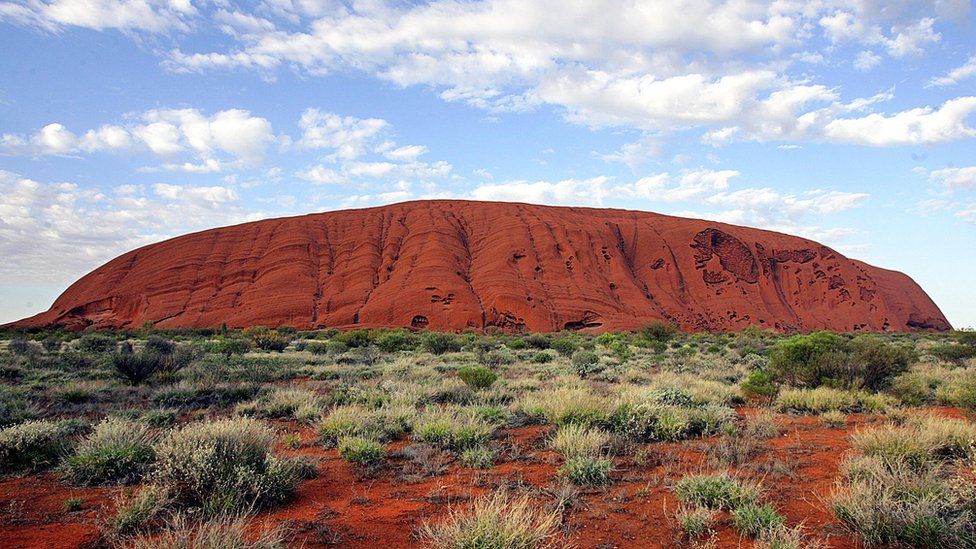
Iraq’s Sinjar district is beautiful. Bifurcated by the Sinjar mountain range, a 62-mile long series of narrow mountains that rise nearly 3,000 feet above the surrounding plain, it forms a topographic island stretching from the outskirts of Tel Afar to within spitting distance of the Syrian border. It may not be as famous as Ayers Rock (Uluru) in Australia, but it is just as stark and, for the Yezidis who live there, sacred.
As part of a United Nations High Commissioner for Refugees-sponsored delegation, I visited Iraq’s Sinjar district late last year to interview both Yezidis rebuilding after the Islamic State’s collapse and Arab farmers struggling to make a living. Our hosts had one overriding concern: We needed to be back near the Iraqi Kurdish city Duhok before dark. The problem was less remnants of the Islamic State than it was Turkey. At night, Turkey often bombed farms and vehicles traveling in the vicinity of Sinjar. While Turkish officials justified their attacks by arguing they were counterterrorism operations targeting the Kurdistan Workers Party, Kurdish authorities and Iraqi security forces disputed this: The victims of Turkish strikes were overwhelmingly civilian. Local authorities speculated that Turkey simply wanted to disrupt reconstruction in a predominantly Kurdish and non-Muslim area of Iraq.
Stay informed.Stay ahead.
Join Washington Examiner for unlimited access to the news, analysis, and commentary that matter most.
Already a member? Log in