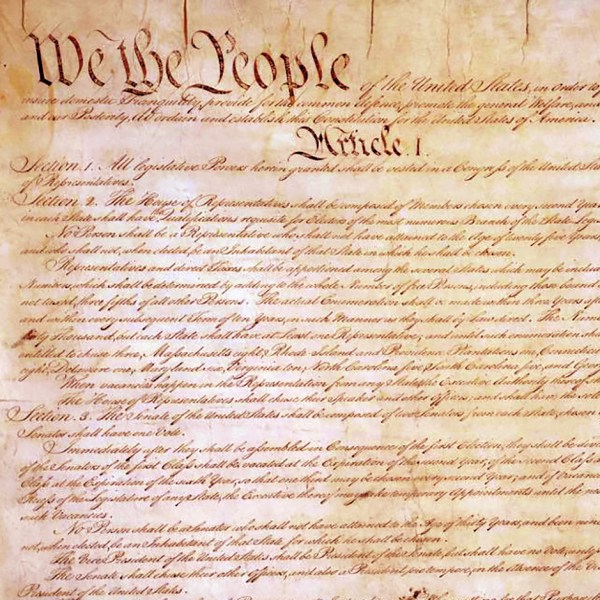
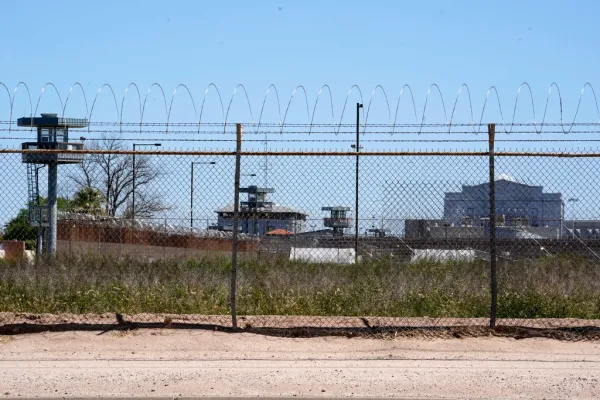
This week marks the 160th anniversary of the passage of the 13th Amendment. Congress, dominated by free state Republicans after the secession of slaveholding states, worked for 18 months to secure enough votes to pass the amendment. The reconstruction of slaveholding states conquered before the end of the Civil War — Louisiana, Arkansas, and Tennessee — ensured the amendment had the prerequisite number of states to ensure its ratification. Slavery in the United States was finished.
Thaddeus Stevens, a Pennsylvania Republican and one of the leading architects of the amendment, believed he was participating in a revolution of the slaveholding South and in broader American society. “The whole fabric of southern society must be changed,” said Stevens, “and never can it be done if this opportunity is lost. Without this, this government can never be, as it never has been, a true republic.”