The Islamic Republic has long embraced a policy of plausible deniability. Iran attacks via proxy to avoid accountability. Rather than give direct operational orders, the supreme leader commands by omission rather than commission: He draws red lines that the Islamic Revolutionary Guard Corps and Iran’s various intelligence services should not cross and gives them freedom to operate except where explicitly forbidden. What this means in practice is that there is never a smoking gun in signals intelligence and phone intercepts, an absence that Supreme Leader Ali Khamenei and Iranian diplomats believe will allow the Islamic Republic to sidestep any cost for its actions.
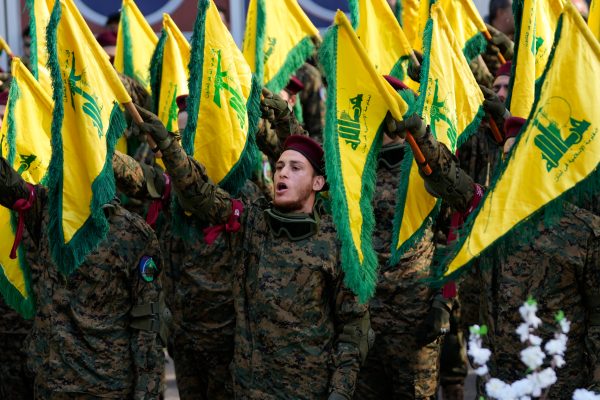
That plausible deniability does not apply to Lebanon. Both Ali Muhtashimi, Iran’s ambassador to Syria from 1982 to 1985, and his successor, Muhammed Hasan Akhtari, affirmed Iran’s role in creating Hezbollah (and Hamas) in a wide-ranging 2008 Asharq al-Awsat interview. They explained how they crafted a strategy for the Islamic Revolutionary Guard Corps to train Hezbollah cadres inside Iran and then reinsert them into Lebanon. While the Revolutionary Guards succeeded in creating a formidable fighting force inside Lebanon, it came at the expense of Lebanese sovereignty. By prioritizing Iranian interests over Lebanon’s, Hezbollah was directly responsible for the destruction of southern Lebanon.