

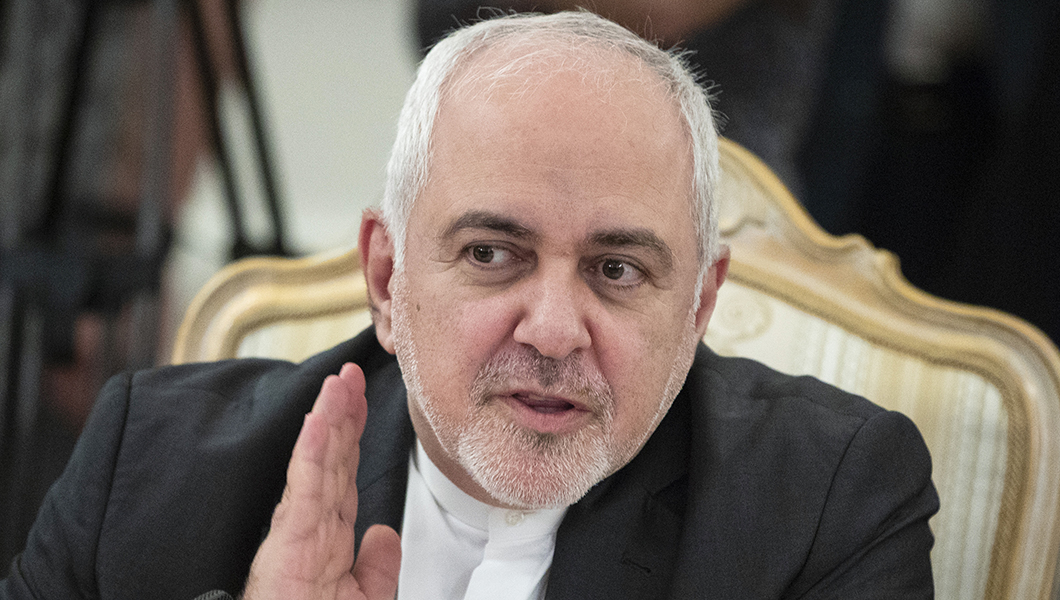
CNN this week asked Iranian Foreign Minister Javad Zarif what would happen if the United States or Saudi military retaliated against Iran’s attack on Saudi oil facilities.
“All-out war,” Zarif responded. But he is not telling the truth.
Recommended Stories


Yes, the risks of a conflict with Iran are significant. President Trump was right to avoid military retaliation in the aftermath of Iran’s downing of a U.S. drone earlier this summer. And Trump is right to keep his demands for a renegotiated nuclear deal tight to three factors, rather than Secretary of State Mike Pompeo’s 12. Diplomacy is the priority there.
That said, Iran is not going to go to all-out war if the U.S. or Saudi military hit a few Iranian oil or Islamic Revolutionary Guard Corps facilities. As with Israel, even the Iranian hard-liner faction aligned under the revolutionary guards knows that an all-out war with the United States would destroy them. In any escalating conflict, the U.S. would simply employ its air and naval power toward destroying the regime’s monopoly of force. Considering Iran’s deep domestic tensions, such a loss of power is something the regime cannot entertain. It would be forced to yield or collapse.
Zarif certainly knows this.
For all Zarif’s hyperbolic tendencies, the foreign minister is aligned with a more moderate faction under Iranian President Hassan Rouhani. He knows that there are only two ways for Iran to escape the catastrophic sanctions pressure it now faces: Either wait in hope that a Democrat defeats Trump in 2020 and rejoins the nuclear agreement, or agree to a new nuclear agreement with Trump on terms more favorable to U.S. interests. That’s why Rouhani was moving toward meeting Trump at next week’s United Nations General Assembly. And that meeting is likely part of why why the Revolutionary Guards attacked the Saudi oil fields: to close off routes for what they regard as unacceptable diplomacy.
What Zarif is doing here isn’t to warn of consequences but simply to try and scare President Trump.
