

CARLISLE, Pennsylvania — Cradled in the Cumberland Valley, just west of the Susquehanna, and flanked by the Blue Mountain range to the north and the northernmost tip of the Blue Ridge Mountains to the south, sits the Carlisle Barracks. It is one of our nation’s oldest military installations, dating back to its inception as an outpost in the 1750s.
Back then, Carlisle was simply an intersecting trade route developed by the native tribes. Traders, along with the natives and new settlers, headed toward the forks of the Ohio and made their last stop before the Allegheny Mountain range.
Recommended Stories


The British, under the leadership of Col. John Stanwix, sought to defend the colony of Pennsylvania, then under siege from both hostile tribes and their ally France during the French and Indian War. This military post was established to secure the colony for the Crown.
It was here that Gen. John Forbes, along with thousands of colonial troops and the British military, began to cut the road that ultimately led to the capture of Fort Duquesne, marking a turning point in the French and Indian War.
Months after the signing of the Declaration of Independence, the Second Continental Congress authorized a magazine and laboratory here. Within short order, the town began expanding from the barracks into a manufacturing base and arsenal.
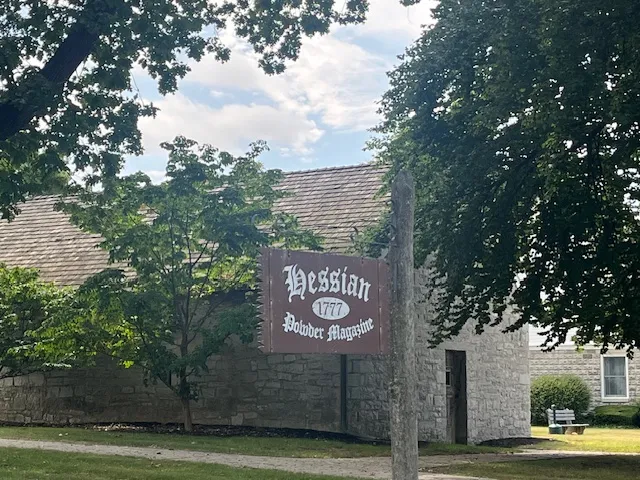
Soon, furnaces were erected to cast cannon, ammunition, and carriages. If you walk the grounds here, the Hessian Powder Magazine is still standing. As legend goes, it was constructed by Hessian soldiers captured at Trenton. And the artillery material made here played an important role in supplying materials to Washington’s chief of artillery, Henry Knox.
It remained critical to Army readiness from the 1830s, serving as the School of Cavalry Practice, recruiting soldiers for frontier service. It was even briefly captured during the Civil War by the Confederates in their drive to Harrisburg, cut short by their push to Gettysburg.
Ahead of World War I, it was briefly part of the Department of the Interior as the Carlisle Indian Industrial School. It continued to serve in multiple capacities for our Armed Forces during both world wars.
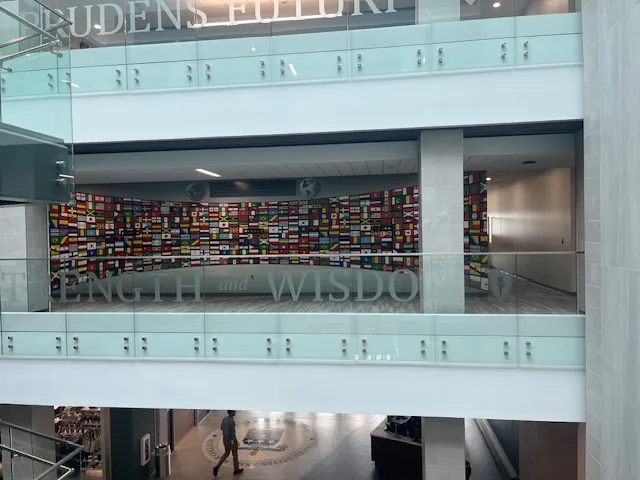
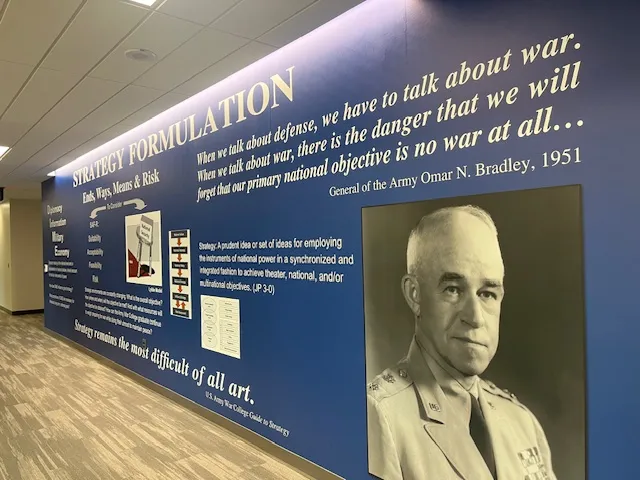
The Carlisle Barracks, which has been home to the Army War College since 1951, has continuously served as a military leadership school. It is a hub for strategic military thinking, working to ensure our military constantly stays ahead of the enemy’s capabilities in both strategy and technology.
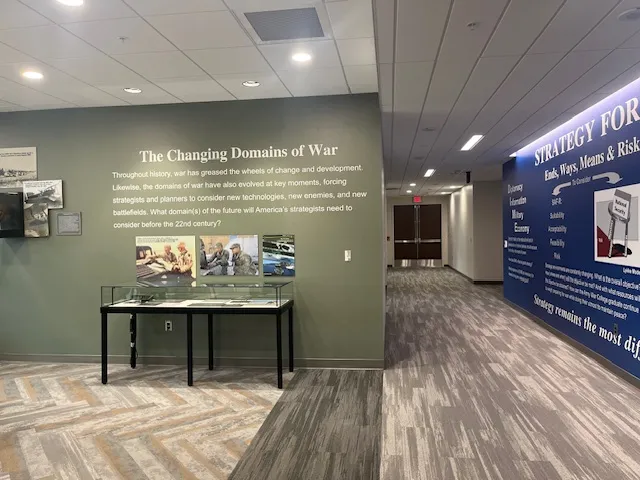
Sen. David McCormick (R-PA) said the history of excellence and significance was in large part why he worked hard to host the Pennsylvania Defense and Innovation Summit at the Army War College in Carlisle, Pennsylvania, this July. The summit comes one year after the Pennsylvania Energy and Innovation Summit held in Pittsburgh.
That event, which was attended by President Donald Trump and several White House Cabinet members, delivered over $92 billion in private sector commitments to the state for both energy and AI projects.
The Army War College’s ability to bridge innovation and strategy, from our nation’s founding to the challenges of today, makes it the perfect backdrop for the summit, McCormick said.
“We will be able to showcase Pennsylvania’s defense industrial base leadership, as well as announce partnerships and investments that will continue to drive innovation but also create great paying jobs across the Commonwealth and the country,” he said.
“This event will cement in people’s minds that Pennsylvania was, and remains, the cornerstone of American defense production,” he said.
The students who attend the Army War College educational programs are officers of the Army and Joint Force: Navy, Marines, Air Force, and Coast Guard, active and reserve. Civilians in high-level federal agencies in the national security arena also attend.
SALENA ZITO: QINTEL PUTS PITTSBURGH ON THE MAP FOR CYBER INTELLIGENCE
Over 80 different international officers allied with the United States attend the school and live in the Carlisle area. They quickly adapt to American life, from potlucks and bowling to their children attending school here. This provides the opportunity to develop personal relationships with U.S. officers, which becomes key as they both move up in their respective countries’ militaries.
McCormick said that in many ways, Pennsylvania is the intellectual brain of the Army, with so many startups in Pittsburgh, Philadelphia, Erie, York, and across the state earning defense contracts for their innovation in energy, intellectual property, AI, and cyber defense. All are crucial to giving our military an advantage over our adversaries.
“The Summit will take on three big areas of opportunity for the state: its energy and AI innovation, its defense innovation, and its life sciences and pharmaceuticals innovation,” he said. “Those three things are the future for Pennsylvania, huge job growth, huge innovation, huge wealth, and they are prospering in Pennsylvania because of the unique things we have.”
