

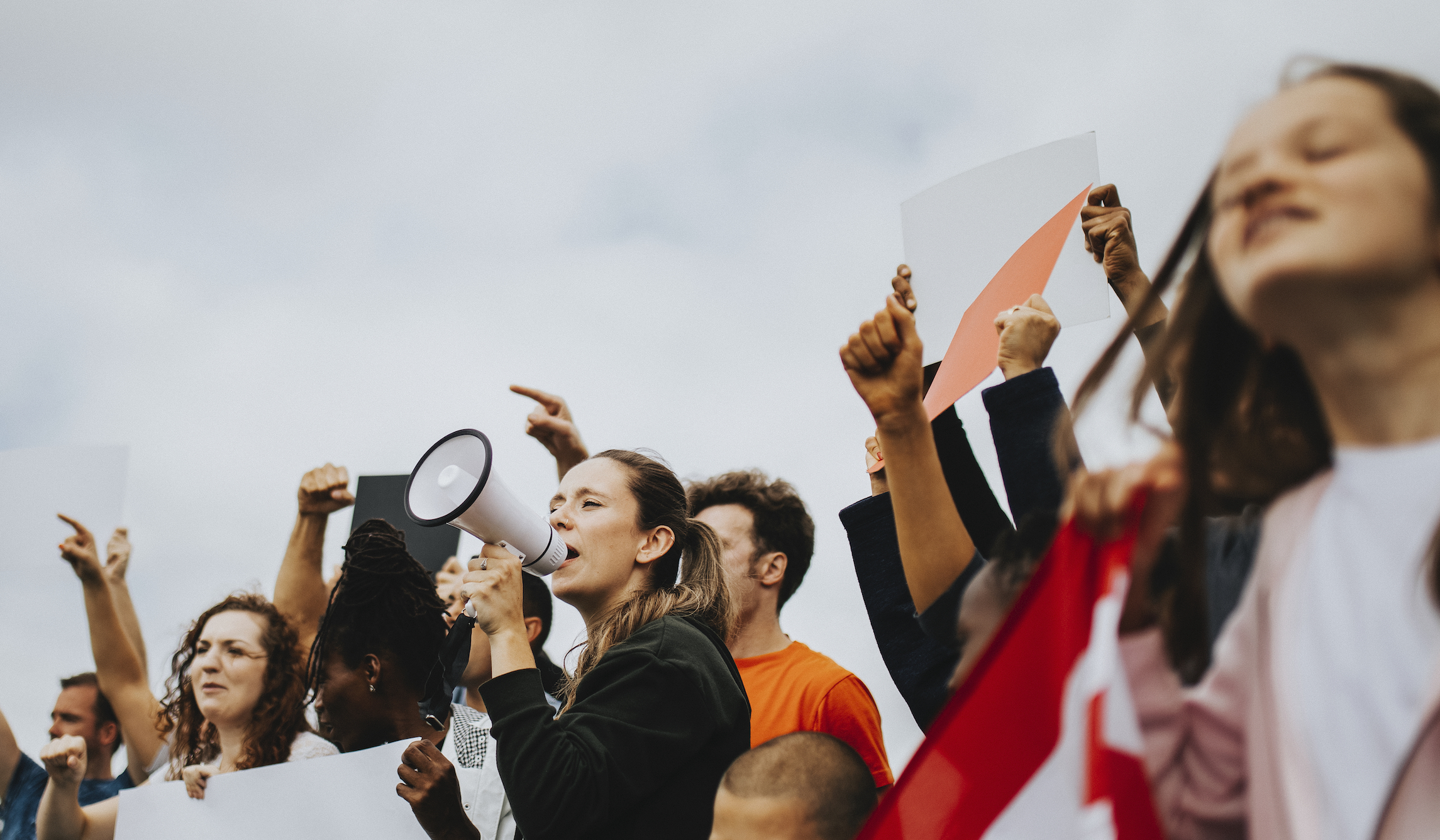
The death of George Floyd set off a firestorm unlike any we have seen in recent years. Sadly, Floyd wasn’t the first black man to die in the custody of aggressive police officers who went way too far in the line of duty.
Since Floyd’s death, massive protests both at home and abroad have placed a spotlight on the issue of police brutality and the urgent need to address it. Americans are united in condemning George Floyd’s murder because it was wrong. Unfortunately, some protests turned violent, and looting, rioting, and arson struck cities nationwide. This behavior is also wrong and does nothing to advance the cause.
Recommended Stories



Understandably, those outside of the black community have been looking for ways to respond to the pleas for change. There is much work to be done. Ideas such as ending qualified immunity, breaking up police unions, and defunding the police are among the proposed reforms. Some take logical steps toward leveling the playing field between citizens and law enforcement, holding the latter accountable. Defunding or disbanding the police, however, should be rejected outright. Large-scale change is certainly necessary. However, it doesn’t end there. In fact, it should begin elsewhere first.
In the days since Floyd’s death, social media has been used as a platform to showcase solidarity with black Americans. Some have shaved their heads, posted black squares, kneeled in forgiveness, or condemned certain literature or entertainment. While these displays aren’t inherently wrong, they also aren’t substantial steps of any kind. The real work isn’t what we’ll see on viral Instagram posts or TikTok videos. Actual lasting change happens on a deeper, more intimate scale. As much as we all want to change the world, we are guaranteed no effect past ourselves. We can’t reach conclusions for anyone else on any issue, including racism. This doesn’t mean we should withhold the message of loving our neighbors. Influence is a healthy thing, especially when it comes to promoting the inherent worth of all people, but before reaching that point, we must direct our focus inward.
The claim that America is systemically racist has been bandied about for years, perhaps most fervently in the past two weeks. With it comes a widespread demand for equality. But if the entire American system is racist, there is no singular solution for that grand of a scale, however much it is desired. Any progression toward a greater, unified good must be of the trickle-up variety. This requires that each of us assess our own motivations and prejudices. Community, state, and national change is not accomplished through sweeping legislative reform, though that can and should be part of the equation. It is person by person that a country transforms itself on any issue.
Racism in America, a country with a painful past which includes slavery and Jim Crow, doesn’t end with social media posts or the toppling of Confederate statues. Change doesn’t come about because of kneeling, slogans, pledges, or protests. The real work is much less public and far more difficult. It requires that each individual take an inventory of their own heart and mind. Performative displays can offer a false sense of evolution for both the participant and the audience. Ending discrimination requires more than just the superficial appearance of anti-racism.
Kimberly Ross (@SouthernKeeks) is a contributor to the Washington Examiner’s Beltway Confidential blog and a columnist at Arc Digital.
