

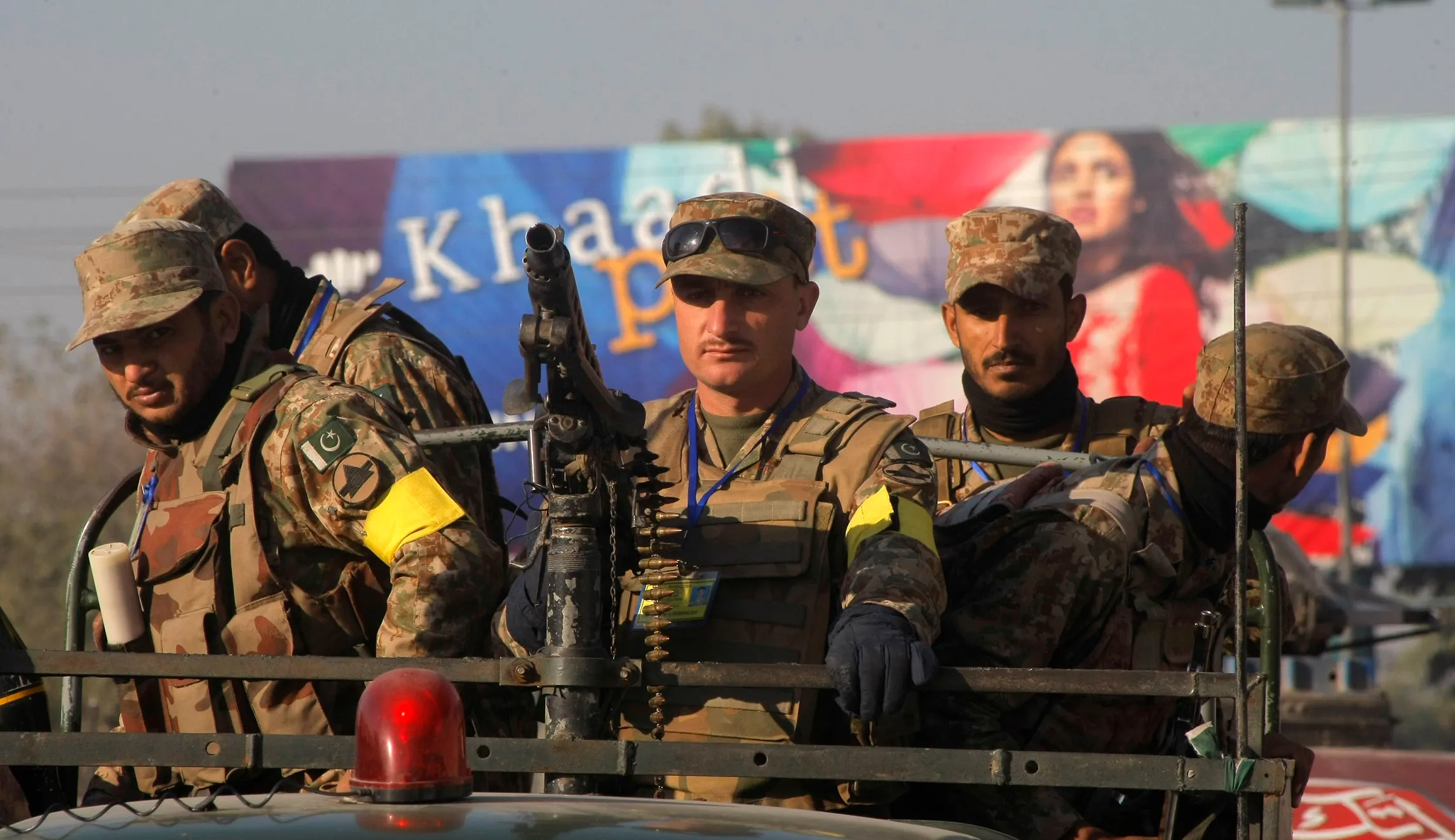
Ehsanullah Ehsan, the former spokesman of Tehreek-i-Taliban Pakistan, a group responsible for one of the bloodiest terrorist attacks on Pakistani soil, “escaped” from a maximum-security prison in February 2020, three years after his arrest. While Ehsan claimed to have fled to Turkey, evidence suggests that he instead remained in Pakistan under the protection of that country’s Inter-Services Intelligence.
When foreign officials and diplomats confront Pakistan about its double-dealing with terrorist groups, Pakistani authorities often act indignant: Thousands of Pakistani troops and civilians have died in Pakistan’s own war against terror. That fact does not, however, exculpate Pakistani authorities for their complicity with terror. Many countries seek to sponsor Islamist radicals in order to achieve policy goals beyond their borders only to suffer blowback. Saudi Arabia, for example, funded radicalism for decades, including in Pakistan, only ceasing terror financing when the Saudi monarchy started suffering blowback from those it once indulged. Years before the outbreak of civil war in Syria, President Bashar Assad allowed jihadis to use his territory as an underground railroad into neighboring Iraq. Likewise, Turkish President Recep Tayyip Erdogan cultivated and facilitated Islamist groups in Syria only to suffer blowback into Turkey.
Stay informed.Stay ahead.
Join Washington Examiner for unlimited access to the news, analysis, and commentary that matter most.
Already a member? Log in
