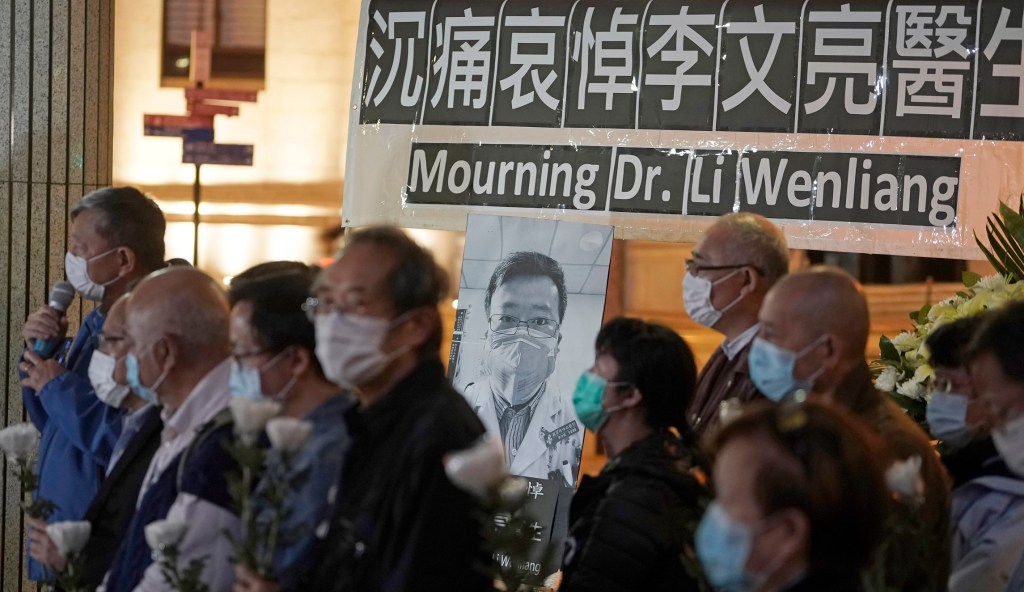
In late December 2019, when nobody knew yet that a deadly coronavirus was brewing in the city of Wuhan, China, Dr. Li Wenliang, 34, an ophthalmologist at the Wuhan Central Hospital, became worried. The hospital was receiving an unusually large number of patients with severe cases of pneumonia that were traced to the nearby food market. On Dec. 30, suspecting the outbreak of a disease similar to SARS, which had killed hundreds in 2003, Li sent a warning to fellow doctors through the WeChat social media site. The next day, his message was widely circulating online.
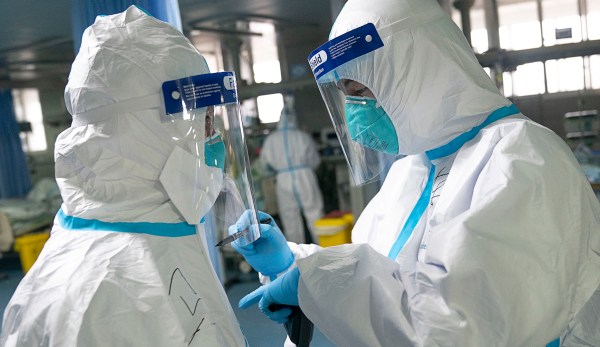
As the number of severely ill patients kept growing, the hospital mobilized all doctors in the fight against the emerging epidemic. Li was spending long hours attending to the sick, terrified by the prospect of transmitting the disease to his pregnant wife and their 5-year-old son. On Jan. 3, in the middle of the night, he received an invitation to the local police precinct where he was asked to sign a warning against his behavior that “seriously disrupt[ed] social order” by “making untrue statements on the internet.” The document said, “If you are stubborn, do not reflect and repent, and continue to carry out illegal activities, you will be punished by the law.” Several other hospital staff members received similar warnings.