

A week from Monday, Iowans will head to their caucus sites and have their say in determining who the Republican and Democratic nominees for president will be. Last week, I looked at early polls from 2012 and 2008 and found that they weren’t great at predicting who would win in Iowa, in New Hampshire or the nomination, even when there were only two weeks until the Iowa Caucuses. Historically, are the polls any better only one week before Iowa?
2012, Republican national polls: On Dec. 27, 2011, Newt Gingrich led national polls by about three percentage points over Mitt Romney. Despite his lead going into Iowa, Gingrich finished fourth there and eventually won only two primary contests. Gingrich lost the polling lead nationally the day after Iowa, but retook the lead briefly in the last week of January. Mitt Romney also lost the national polling lead to Rick Santorum, but took the lead for good in late February, just before Super Tuesday.
Recommended Stories



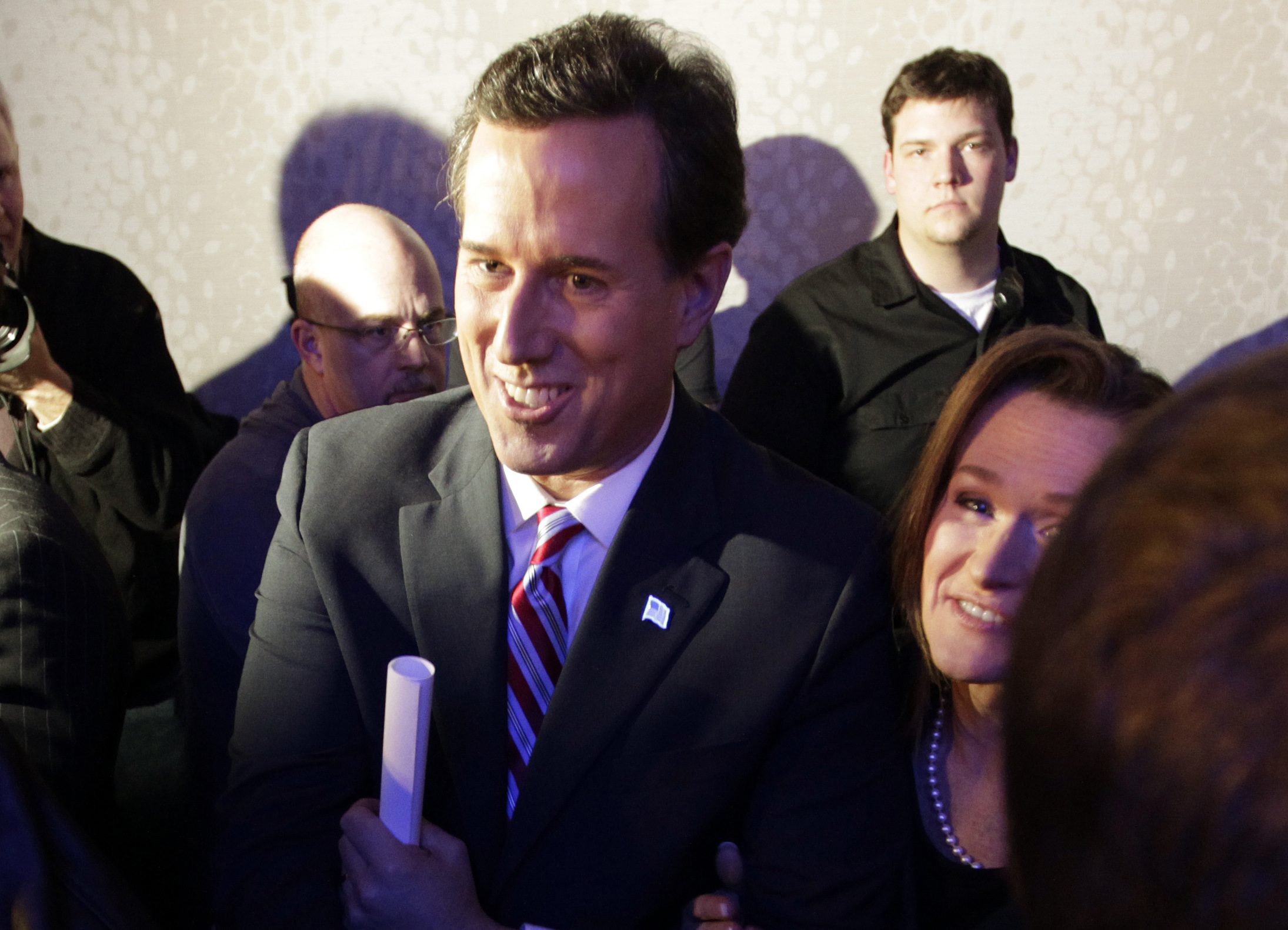
2012, Iowa GOP Caucus: A week before the Iowa Caucus, Ron Paul held a slim lead, less than two points, over Mitt Romney. Eventual-winner Rick Santorum had just begun to rise in the polls, but still sat back in sixth place with less than eight percent support. In fact, Santorum never held the lead in any Iowa poll. He eventually won the caucus by 34 votes, or 0.03 percentage points. Paul finished third, about three points behind.
2012, New Hampshire GOP Primary: Sometimes the early polls get it right. While Santorum never led any Iowa polls but managed to win there, Romney led every New Hampshire poll and cruised to victory there by a handsome 16 percentage points. At this stage in the cycle, Romney led New Hampshire polls by 17 points. Although Gingrich was second at this point, he eventually finished fourth in New Hampshire.
2008, GOP national polls: On Dec. 27, 2007, the Iowa Caucus was just a week away. That day, Rudy Giuliani still led national GOP polling, as he had all year long. Remember: Giuliani never won a single primary or caucus in 2008. At that point, John McCain sat in third, six points behind Giuliani and three points behind Huckabee. McCain took the lead a few days after New Hampshire and held it for the rest of the primary.
2008, Iowa GOP Caucus: A week before Iowa, the polls were correctly predicting that Mike Huckabee would win the caucuses. Still, Huckabee would briefly surrender the polling lead to Romney. Huckabee led the polls by only three points with a week to go and on the final day, but he eventually won by nine percentage points. John McCain was third in Iowa polling, and would eventually finish third, but still managed to win the nomination.
2008, New Hampshire GOP Primary: At this stage in the 2008 race, Romney led New Hampshire polls by six points. At that time, he had led every poll since August. Within a week, John McCain would surge into the polling lead and win New Hampshire, six points ahead of Romney.
2008, Democratic national polls: Hillary Clinton led national polls by almost 20 percentage points on Dec. 27, 2007. She continued to lead national polls well into February, after early states like Iowa, New Hampshire, Nevada and South Carolina had voted. Despite that, Clinton failed to win the party nomination.
2008, Iowa Democratic Caucus: A week before votes were cast, Hillary Clinton led Iowa polls by about four percentage points over Barack Obama, and about five percentage points over John Edwards. A week prior, Obama held a small lead in the polls, and he would eventually regain a small lead before winning by eight percentage points. Clinton eventually finished third, just behind John Edwards.
2008, New Hampshire Democratic Primary: At this point in the 2008 cycle, Clinton led New Hampshire polling by less than three percentage points. After Obama won in Iowa, he actually took an eight-point lead in the final polls, but lost by nearly three points on Election Day. Clinton won with 39 percent of the vote.
Polls one week before Iowa failed to predict the eventual winner in most (just three out of nine) of the contests listed above. None of the national polls were right. One of the Iowa polls were right. Two of the New Hampshire polls were right. Of the three that were right at this point, two still showed a lead change between one week before Iowa and the end. Arguably, the polls were more accurate two weeks prior to Iowa than they were one week prior.
If you still want to know who’s winning the early polls in 2016, here’s who is ahead (supposedly): Donald Trump leads Ted Cruz in national polls by almost 16 percentage points. That’s less than Clinton’s lead at this point in 2008. Trump also leads Cruz in Iowa, by about five percentage points (slightly more than the leads at this point in the three Iowa contests above). Trump also leads in New Hampshire, by almost 20 percentage points (more than the lead Romney had when he cruised to victory in 2012).
On the Democratic side, Clinton leads national polls by about 13 percentage points (less than her lead at this point in 2008). In Iowa, Clinton leads by about 7 points (more than her lead at this point in her losing 2008 effort). In New Hampshire, Bernie Sanders leads by 13 percentage points (a little bit lower than Romney had at this point in his 2012 landslide victory).
Keep in mind, no Republican and only one Democrat (Bill Clinton) has ever won their party’s nomination without winning either Iowa or New Hampshire (in the 15 nomination cycles under the modern primary system used beginning in 1976). Then again, there’s a first, or second, time for everything.
Jason Russell is a commentary writer for the Washington Examiner.
