

Socialists might be good at weaponizing emotive language, but they lack the facts to win arguments.
That’s why it’s so amusing to see a private company troll Britain’s left-wing opposition party, Labour, for demanding the company be re-nationalized.
Recommended Stories


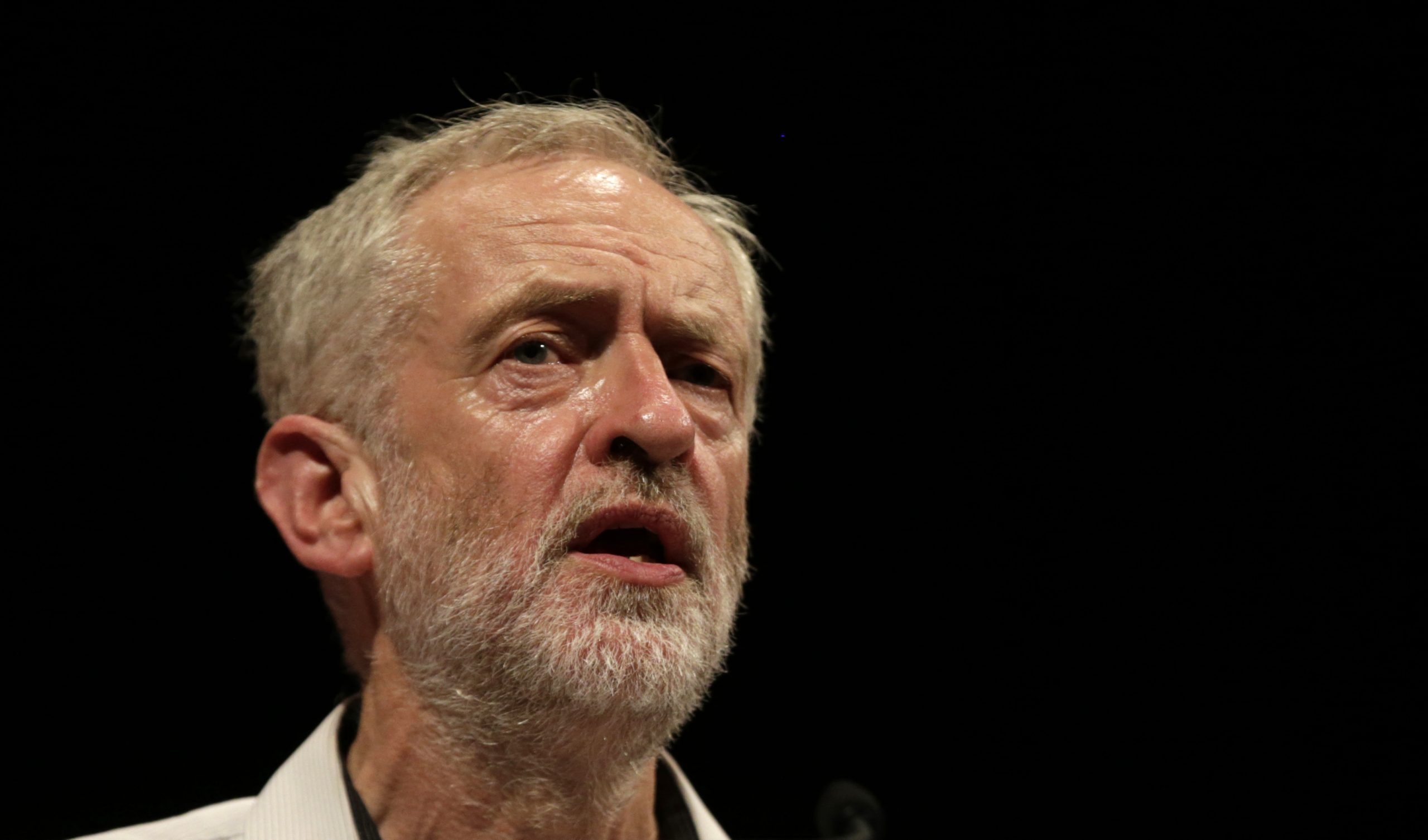
On Thursday, Labour leader, Jeremy Corbyn, tweeted out a video lamenting the Royal Mail’s latest shareholder payout. Corbyn complains that “hundreds of millions has been paid out into private hands” and claims that “This is the familiar story of privatization, prices are rising, staff terms and conditions under attack, services being cut, and it’s the shareholders who reap the rewards.”
It has just been announced that £68 million – the highest ever – has been paid out to Royal Mail private shareholders. #RiseUp pic.twitter.com/pLN5bXAIp9
— Jeremy Corbyn (@jeremycorbyn) November 16, 2017
Corbyn concludes with a rallying cry, “Together let’s build an economy for the many, not the few.”
Fortunately, the Royal Mail wasn’t willing to let Corbyn set the narrative without riposte and sent out three tweets of its own.
First, the company explained how privatization had allowed for improved service delivery and modernization.
We have invested £1.5bn in our business since privatisation. Royal Mail suffered from underinvestment while in state ownership. pic.twitter.com/IKNq7xF5xG
— Royal Mail News (@royalmailnews) November 16, 2017
Next, the company noted how the private market offered better loan options absent taxpayer liability.
Under state ownership, we paid higher interest rates on loans from the Government than we do now to private sector institutions. pic.twitter.com/OpmQtWJRvz
— Royal Mail News (@royalmailnews) November 16, 2017
Most importantly, the Royal Mail showed why private ownership is good “for the many, not the few.”
More British people own shares in Royal Mail than almost any other company. pic.twitter.com/ZZ6fyXrzit
— Royal Mail News (@royalmailnews) November 16, 2017
We need to see more of this kind of capitalist courage. After all, the differential tweets between Corbyn and the Royal Mail speak to a deadly serious issue: the variable morality of socialism versus capitalism.
Again, the facts are on capitalism’s side. Consider, for example, that in the most recent tax year, the Royal Mail secured a $442 million profit. Corbyn and comrades lament that statistic, but the Royal Mail’s profits show how privatization has eliminated the Royal Mail’s taxpayer liability and generated returns on investment for shareholders. Whining those shareholder profits, Corbyn and comrades ignore the fact that the profits are helping British investors of all incomes to become wealthier.
They ignore the truth that privatization is both a good and a moral thing.
Consider the alternative of re-nationalization. It wouldn’t just drive up costs, it would also render the Royal Mail utterly inefficient. After all, the key showdown between the Royal Mail and its main employee union is over reforms to the company’s pension and working hours schemes. Those reforms are necessary to allow the Royal Mail to reduce costs and adapt to the modern age. The union, of course, doesn’t want to become efficient: it would rather the government endorsed inefficiency and spread the costs out among taxpayers. The divergence here is just one example of how government ownership is invariably disastrous: it trusts in bureaucrats and special interests to make better decisions than consumers can make themselves.
As I say, the history and the facts are clear. Capitalism, not socialism, is the best way to serve income mobility, the pursuit of happiness and human opportunity. Don’t believe me? Compare Colombia to its socialist neighbor, Venezuela.
