Twenty years ago, in his bestselling social critique Trust, Francis Fukuyama identified the breakdown of the underlying principles that foster social and economic prosperity, what he defined as “social trust.”
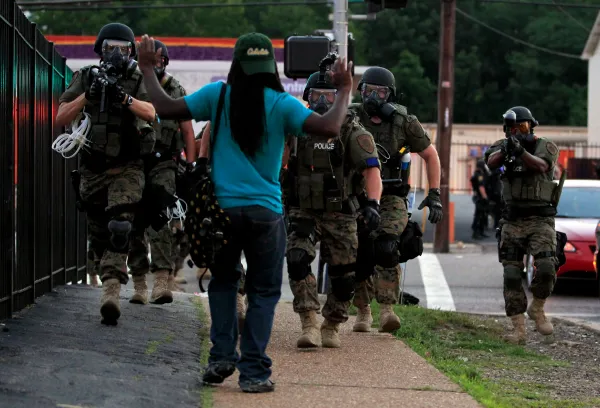
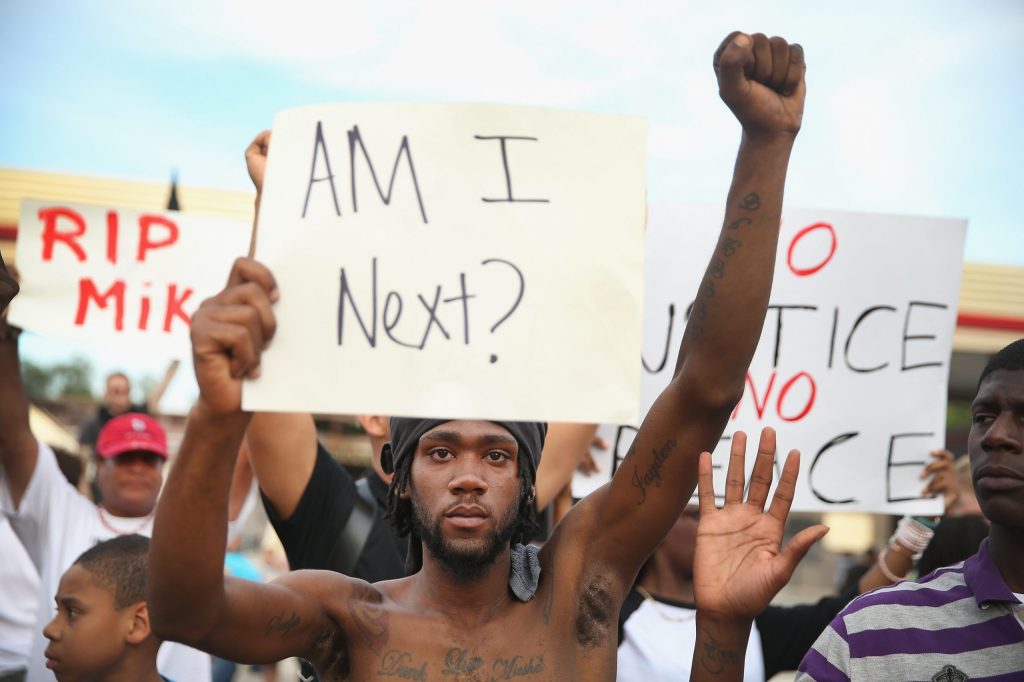
Today, the crisis of social trust in the United States is more acute than ever before. The gulf has widened alarmingly between the haves and have-nots, the powerful and the powerless, those with influence and those whose attachment to social institutions — and to our political order — has become increasingly tenuous. The conviction that the game has been rigged on behalf of well-connected and well-financed special interests has grown to the point that trust in the justice and efficacy of our major institutions is at an all-time low. We see manifestations of this phenomenon in the Tea Party movement, in the unrest sparked by law enforcement actions in Ferguson and Baltimore, and — perhaps most clearly — in an increasingly polarized and uncivil public debate over how we should order our affairs as a country.