

If your price for doing business suddenly went up 25%, how would you react?
Would you open a new facility, hire new employees, or increase your advertising budget? Probably not.
Recommended Stories



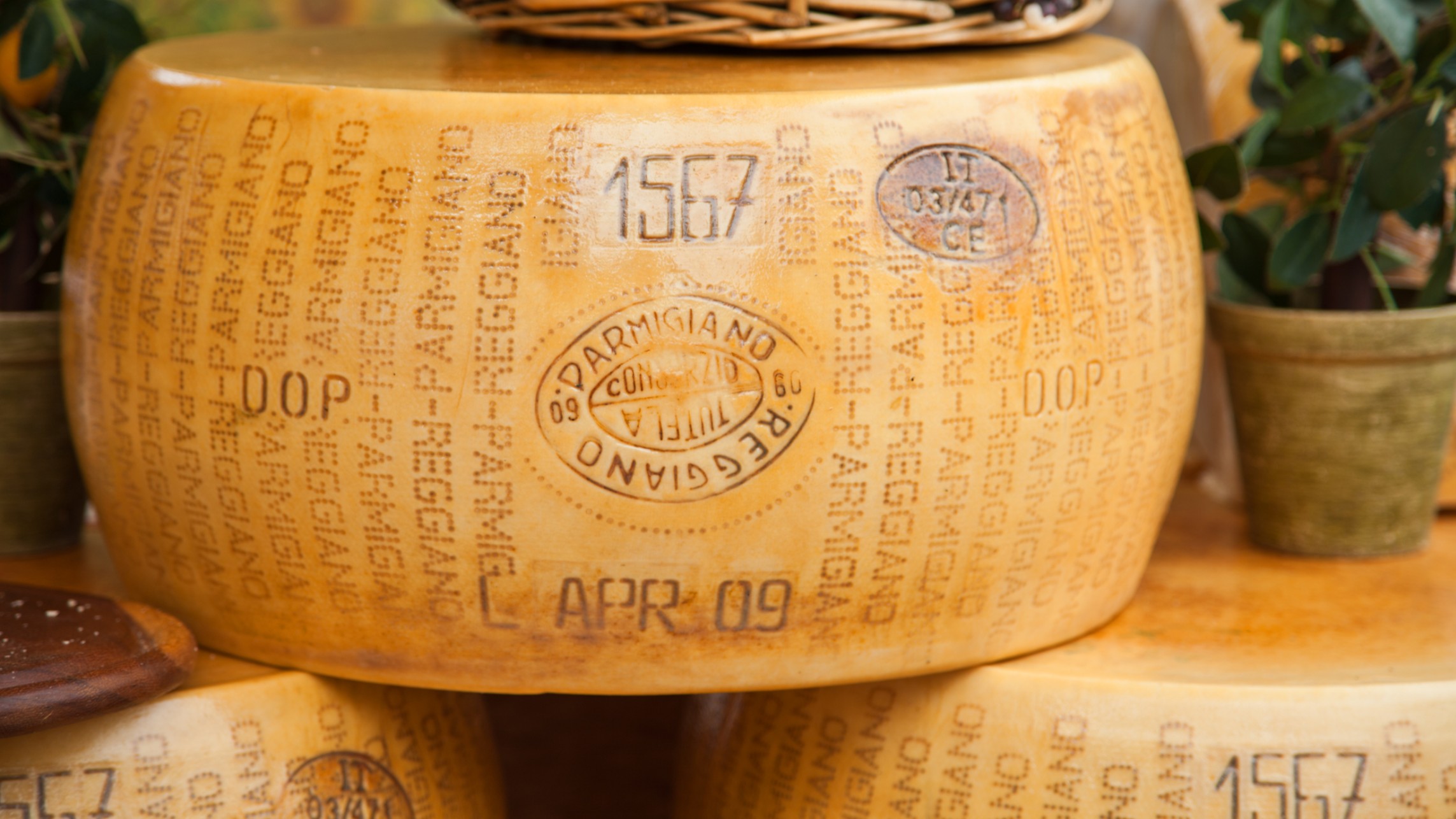
This is the situation that U.S.-based businesses with ties to imported EU food and wine products are now facing. The Trump administration has chosen to resolve an aircraft trade dispute by slapping 25% tariffs on products like Italian cheese, French wine, and Irish whiskey. The tariffs went into effect on Oct. 18.
We at the Cheese Importers Association of America understand that the United States should seek fair trade with our trading partners around the world. But these tariffs are bad for American business, bad for American workers and ultimately, bad for American consumers.
If our American companies that import cheese from European suppliers have to pay more, they are going to pass the costs onto the American consumer. Most U.S.-based cheese importers just can’t absorb these expenses, so we will have to cut corners somewhere and increase prices. The effects of these tariffs will trickle down to all levels of the supply chain, affecting salespeople, warehouse workers, truckers, supermarket employees, dock workers, and packers.
Between all of the industries affected, estimates for lost jobs due to the tariffs range upwards of 100,000. (This is according to the Distilled Spirits Council of the United States and the Cheese Importers Association of America.)
If this news wasn’t bad enough, the United States Trade Representative is scheduled to announce yet another round of tariffs on Feb. 15. On that date, they can increase tariffs even further on products that have already been hit or impose tariffs on products that escaped the first round.
All of this uncertainty leaves importers in a terrible conundrum. Do we sign up for the 25% hike, or do we risk having to spend even more for our favorite Parmigiano Reggiano or Feta after the deadline? Will we be tempted to buy other cheese varieties in advance of the February announcement from the USTR? If so, what do we buy? At this point, it’s anyone’s guess.
The uncertainty surrounding the new round of tariffs feels like a game of Russian roulette; we don’t know who the next victim is. This climate of uncertainty makes it impossible to plan for the future, to hire, and to invest. It also creates a speculators’ market, with buyers and sellers either emptying inventories or stockpiling products — essentially hedging their bets on which products are next for additional taxation. This isn’t the way to foster a healthy business environment.
To set off a spending spree and sow such uncertainty is not sound policy. Eventually, if these tariffs continue, consumers and retailers may stop buying European cheese altogether, which will mean no tariff revenue for the U.S. government. American businesses that have operated for up to 100 years will cease to exist, and Americans will lose their jobs.
American companies engaged in the importation, distribution, marketing, and sales of European agricultural products account for about $3.5 billion in revenue. Our reach extends beyond the food sector.
My company was planning to purchase a $1.2 million piece of American-made machinery prior to the tariff announcement; that purchase has been postponed indefinitely. My sales team is flying less and booking fewer hotel rooms in order to reduce travel expenses. The trucking company I use will see a 25% to 30% reduction in business, with more cuts to follow. The contraction in business goes right down the line.
Tariffs are designed to hurt. But these tariffs, at least initially, are missing their target. It is U.S.-based businesses that are feeling the pain, not our European cheese producing counterparts.
And for all that, this doesn’t necessarily translate into a win for American cheese producers either.
As my cheese producer friends in Italy tell me, their cows aren’t going to stop producing milk. They will keep making cheese and find markets for their products. That will only result in more export market competition for American cheesemakers.
Consumers will see an increase in their food bill in the coming months if they don’t speak up. The U.S.-based imported cheese industry employs thousands of people and serves millions of others. Our contribution to our nation’s economy and lifestyle is significant.
Fostering uncertainty, inhibiting investment, and reducing choice is not fair trade, nor is it free trade. It’s just a bad trade.
Philip Marfuggi is president of the Cheese Importers Association of America, and president and CEO of The Ambriola Company.
