
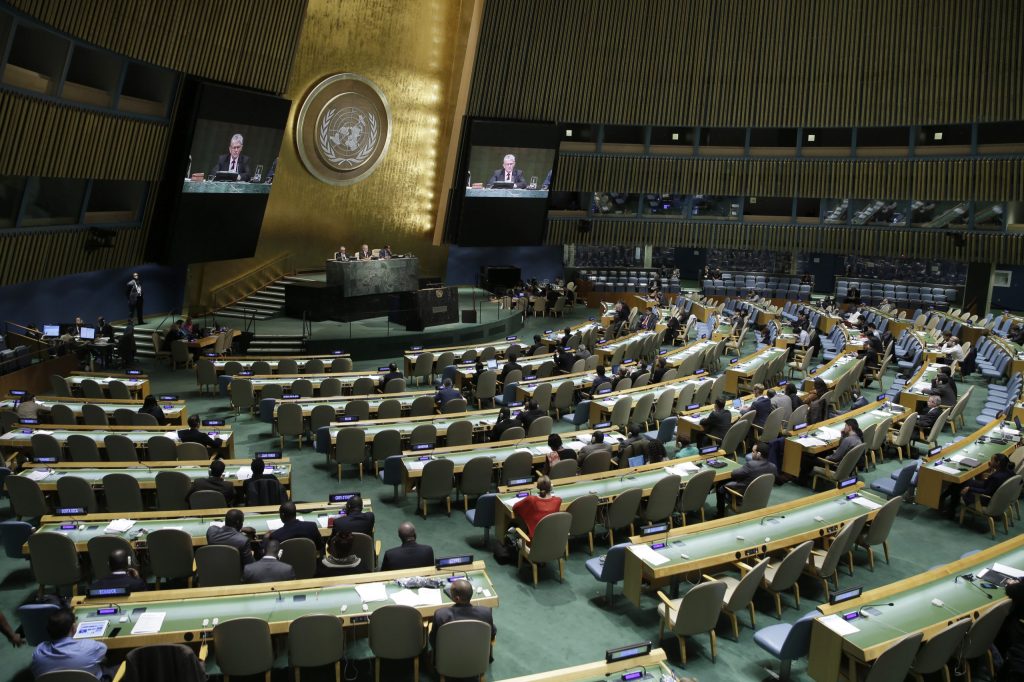
Commenting on the U.S.’ withdrawal from the United Nations’ misnamed Human Rights Council, Ambassador Nikki Haley didn’t mince words. She called it a “hypocritical and self-serving” organization that actually protects rights abusers, and a “cesspool of political bias.”
Although best-known for its peace-keeping in areas of conflict — where it enjoys a mixed record, at best — the U.N.’s agencies, commissions, and panels have a dismal record of accomplishment, especially while acting as the world’s regulator-wannabe for all manner of products, processes and activities. Along with failing to defend human rights, the U.N. regularly panders to activists and, not coincidentally, adopts policies that expand its own scope and responsibilities. Science and free markets routinely get short shrift; in U.N. programs and projects, everything becomes an exercise in PR, politics, and international horse-trading.
Real journalism.Trusted by millions.
Unlimited access to in-depth reporting, expert analysis, and the stories that shape our country.
Already a member? Log in