

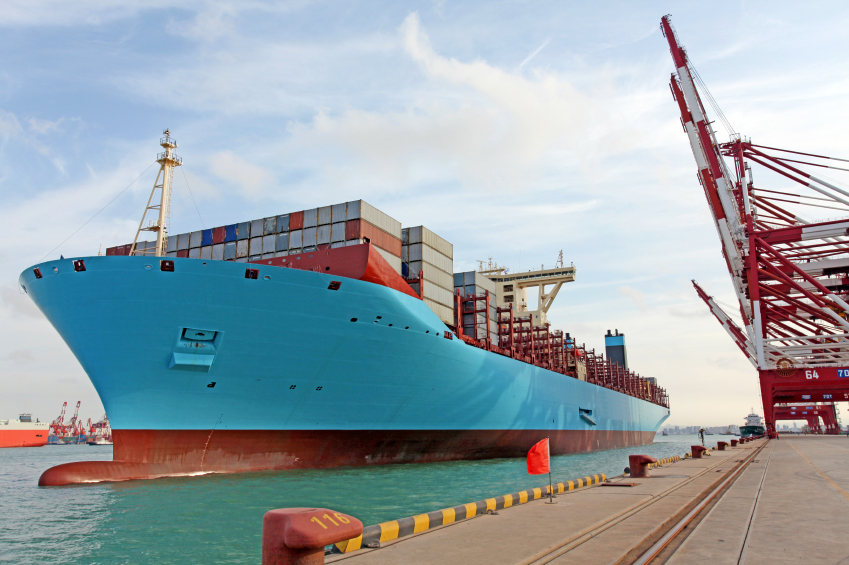
The United States is in the midst of negotiating two groundbreaking free trade agreements. However, one major impediment to international trade is surprisingly absent from the conversation. The Merchant Marine Act of 1920, also known as the Jones Act, requires all goods transported by water between U.S. ports to be carried on ships built in America, owned by citizens, and crewed by U.S. residents. While this Act may sound harmless, it has devastating effects on American consumers and domestic business investment.
Contrary to the claims of Jones Act supporters, the law does not increase economic growth. Rather, it reduces it. A select few ship builders and those they employ benefit, but most consumers lose because the restriction on shipping competition raises prices for everyday goods. For example, because of the Jones Act, it costs about $6 per barrel to move crude oil from the Gulf Coast to New England — triple what it costs to ship crude from the same destination to Canada on a foreign-flagged ship.
Stay informed.Stay ahead.
Join Washington Examiner for unlimited access to the news, analysis, and commentary that matter most.
Already a member? Log in
