

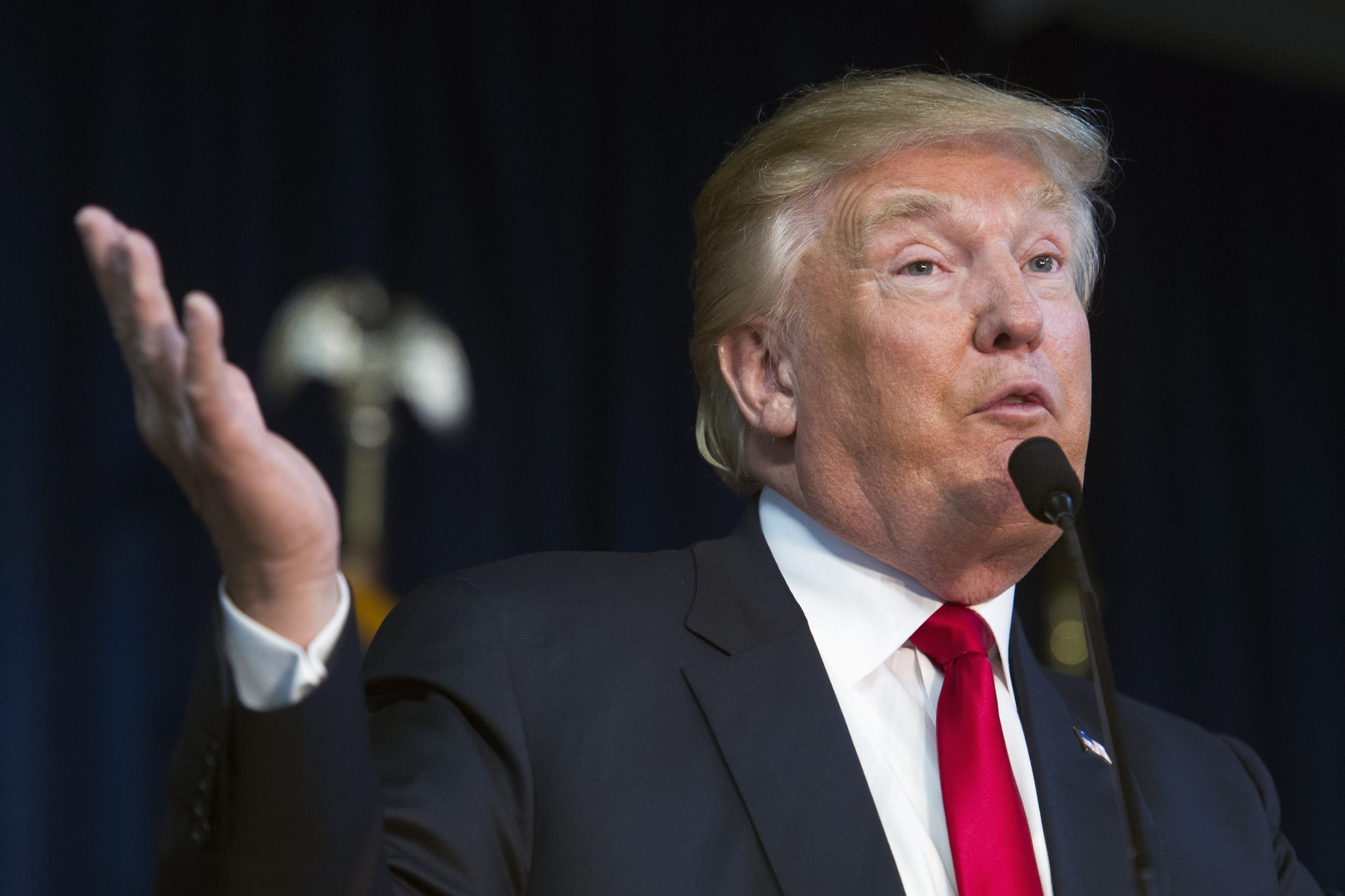
Back in August, I argued that Donald Trump had already peaked, but now it’s December and he’s polling better than ever nationally.
In my summer column, I observed that, “his support seems to have met resistance at around the 25 percent mark.” How wrong I was. Trump has continued to dominate polls, and other than Ben Carson, nobody else has been able to challenge him at the top.
Recommended Stories



Now that Carson’s support has been dropping, Trump is well ahead nationally. With the inclusion of the latest CNN poll showing Trump 20 points ahead of his nearest rival, Sen. Ted Cruz, his national support has reached 30.8 percent, according to an average of polls compiled by RealClearPolitics, topping his previous high in September, before Carson’s major surge.
For all the talk of Cruz’s surge, he still has less than half of the support that Trump does nationally.
Trump also finds himself ahead in all the early primary states — his strongest state being New Hampshire, where he’s up by double digits.
I still argue that the fundamentals are that the anti-Trump vote will consolidate around a candidate as the field narrows, and that he won’t be the nominee. Had you bet that Internet stocks were overvalued in the 1990s, you would have lost your shirt in the short term, but you would have eventually been vindicated during the 2000 tech crash. So I’m still banking on a non-Trump being the nominee.
That said, the track record of Trump skeptics has not been very good so far this unorthodox election cycle, so it’s quite possible that candidates will refuse to drop out, and that by the time they do, Trump will already be off to the races.
Over at the Weekly Standard, which shares the same ownership as the Washington Examiner, Bill Kristol makes the case for why Trump won’t be the nominee.
