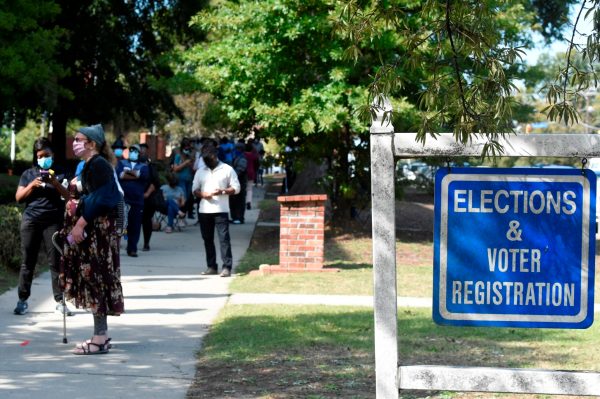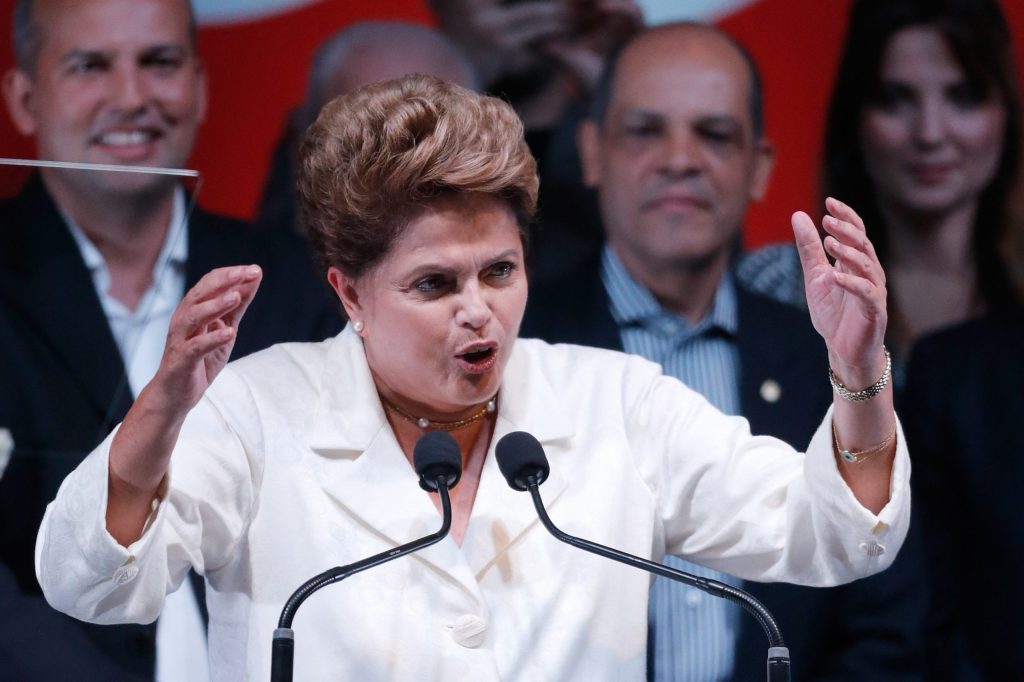
On Sunday, 105 million Brazilians voted, and President Dilma Rousseff was re-elected over former state governor Aécio Neves by a 52 to 48 percent margin. Rounding off the numbers actually exaggerates the margin, which carried to two digits was 3.28 percent. The results are available in granular detail, for every state and municipality, at the Folha de S. Paulo website. I wrote in the Examiner about the Brazilian election after the first round October 5, in which Dilma (Brazilians typically and not disrespectfully refer to politicians by their first names or nicknames) won 42 percent of the vote, well below the 47 percent she won in the first round in 2010, and Aécio won 34 percent. This second round was the closest presidential election in Brazil since the military dictatorship ended in 1985. By the way, the first candidate to be elected after that was Aécio’s grandfather, Tancredo Neves, but he died before taking office.
There were clear differences between the two candidates, many of which were brought out in this pre-election American Enterprise Institute panel on which I participate. Dilma stands for more government, Aécio for more in the way of markets. Dilma is wedded to Mercosul (the Portuguese spelling), which links Brazil to such loser economies as Argentina and Venezuela; Aécio looks to the Pacific trade pact, which includes fast-growing Chile, Peru, Colombia and Mexico. Dilma charged that Aécio would cut Brazil’s bolsa familial programs (which provide, among other things, payments to mothers who vaccinate their children and send them to school); Aécio pointed out that the bolsa familial was initiated by his PSDB party’s president Fernando Henrique Cardoso and his backers charge that extensions by the PT presidents Lula da Silva and Dilma threaten to unduly increase dependency.