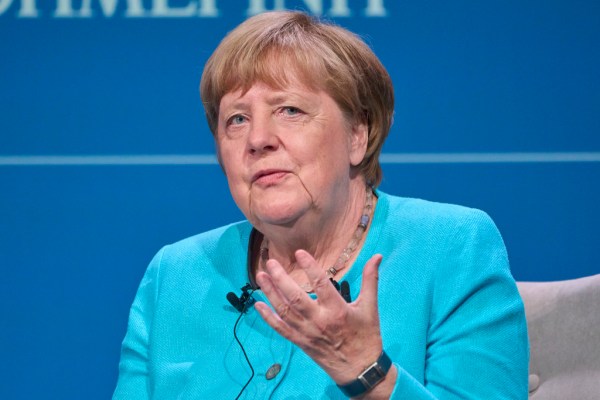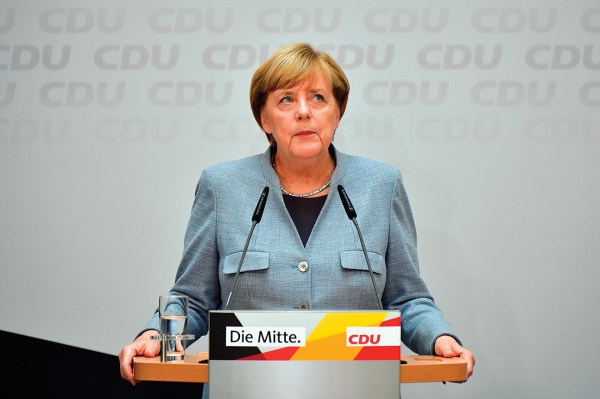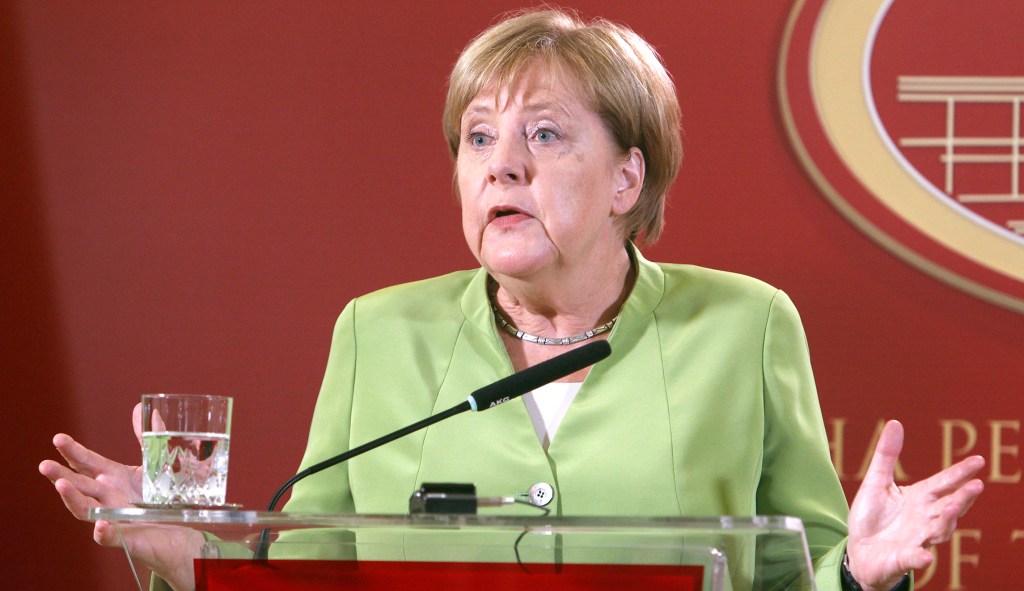
German Chancellor Angela Merkel is used to getting herself out of jams and surviving for another day. Throughout her more than 12 years at the helm, she has dominated the German political scene like no other politician in the country. Merkel has a knack for tossing principle and ideology by the wayside for political expediency; when the German public soured on her open-door refugee policy — a policy she stubbornly defended as a humanitarian necessity when no other country was showing leadership on the issue — Merkel cut a deal with Turkey’s Recep Tayyip Erdogan that would result in an exponential decrease in the flow of people through the Balkans and into Northern Europe.
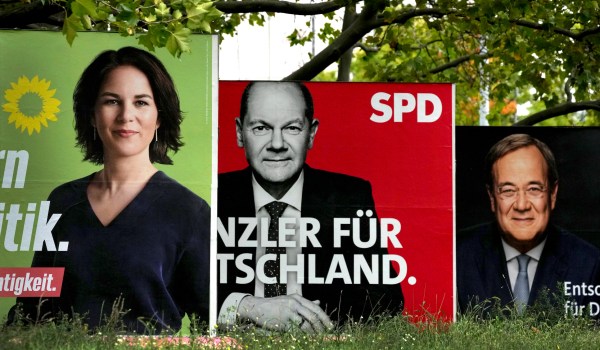
The chancellor, however, has had a difficult year. While her Christian Democratic Union won the country’s parliamentary elections last year, it was the party’s worst electoral showing since 1949. Merkel spent months trying to cobble together a coalition government, an effort made more difficult given the perception of her waning political authority and acumen. The first attempt hit a dead-end when the Free Democrats walked away from the table. She finally got it done, but her renewed partnership with the Social Democratic Party looked to a lot of Germans like the same old establishment politics that governed the country for decades. The CDU/CSU-SDP coalition was a gift to the Alternative for Deutschland, a party that was now considered the biggest opposition bloc in the Bundestag.