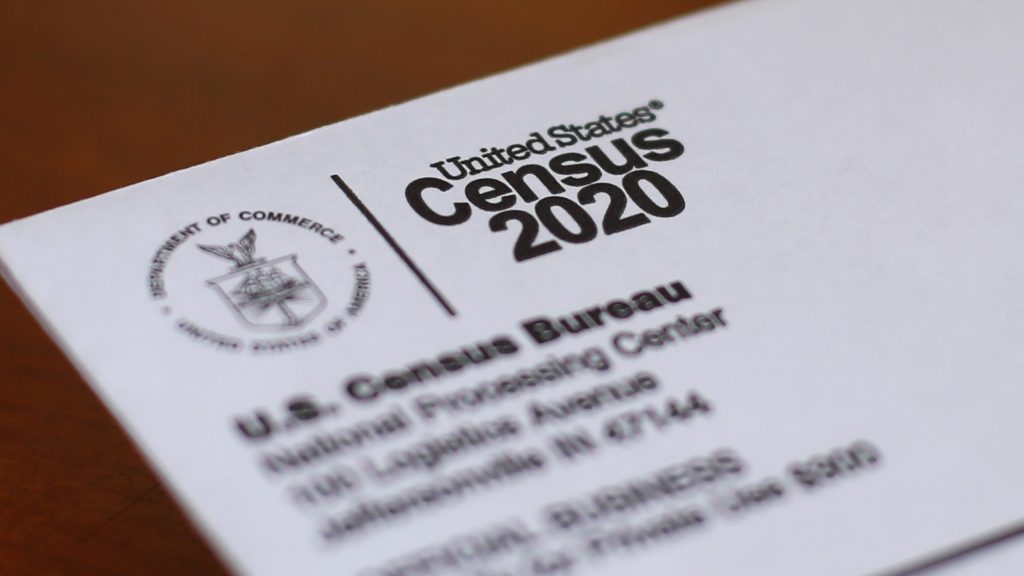
As a Christmas present to statistics lovers, the Census Bureau has released its estimates of the population of the nation and the 50 states as of July 1, 2021. The Bureau admits up front that, due to COVID, its numbers are subject to more than usual uncertainty. But overall, they provide important clues as to how the public has coped with the pandemic and how COVID may have changed the trajectory of national growth — and contraction.
A comparison of these estimates with the April 1, 2020 census covers almost exactly 15 of the first 16 months of the pandemic. The headline is that 2020-21 was the slowest growth year in U.S. history, with the population rising by only 0.1%. That’s even lower than the 0.5% growth in 1918-19, when the influenza epidemic killed more people than COVID in a United States with less than one-third our current population.