

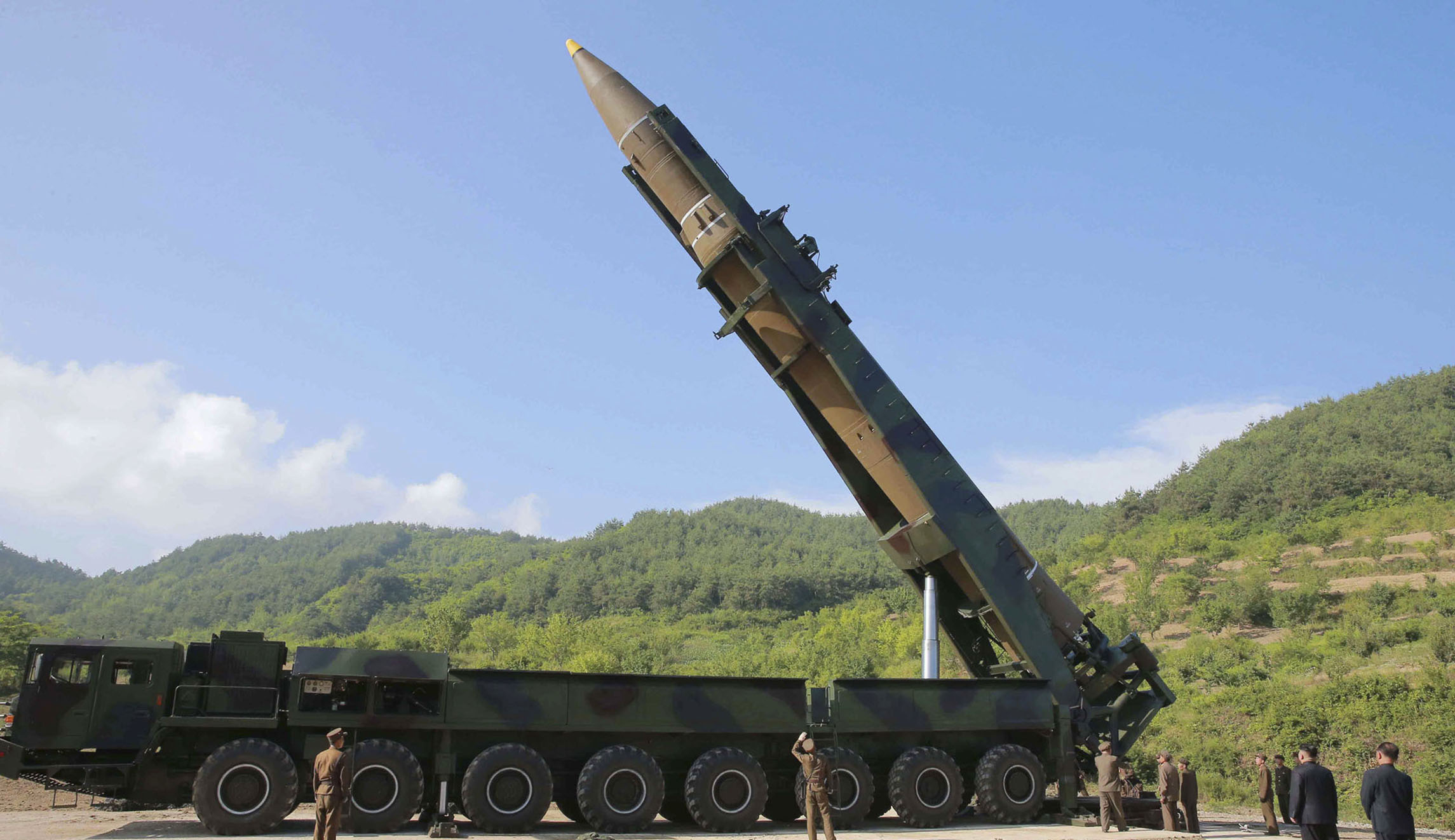
Seventy-five years ago, the United States discovered the atomic bomb, fundamentally changing the strategic calculus of war. By espionage, the Soviet Union quickly developed its own nuclear weapons, leading to the world’s first nuclear stalemate. War planners soon realized that nuclear stalemates were unexpectedly stable, a development that later became known by the rather terrifying name of “mutually assured destruction.”
Ever since the discovery that mutually assured destruction produces a stable equilibrium, some strategists have questioned the importance of nuclear nonproliferation. These strategists argue that nuclear weapons are, in practice, unusable, so there is little point in expending military and diplomatic resources to check their spread.
Stay informed.Stay ahead.
Join Washington Examiner for unlimited access to the news, analysis, and commentary that matter most.
Already a member? Log in
