

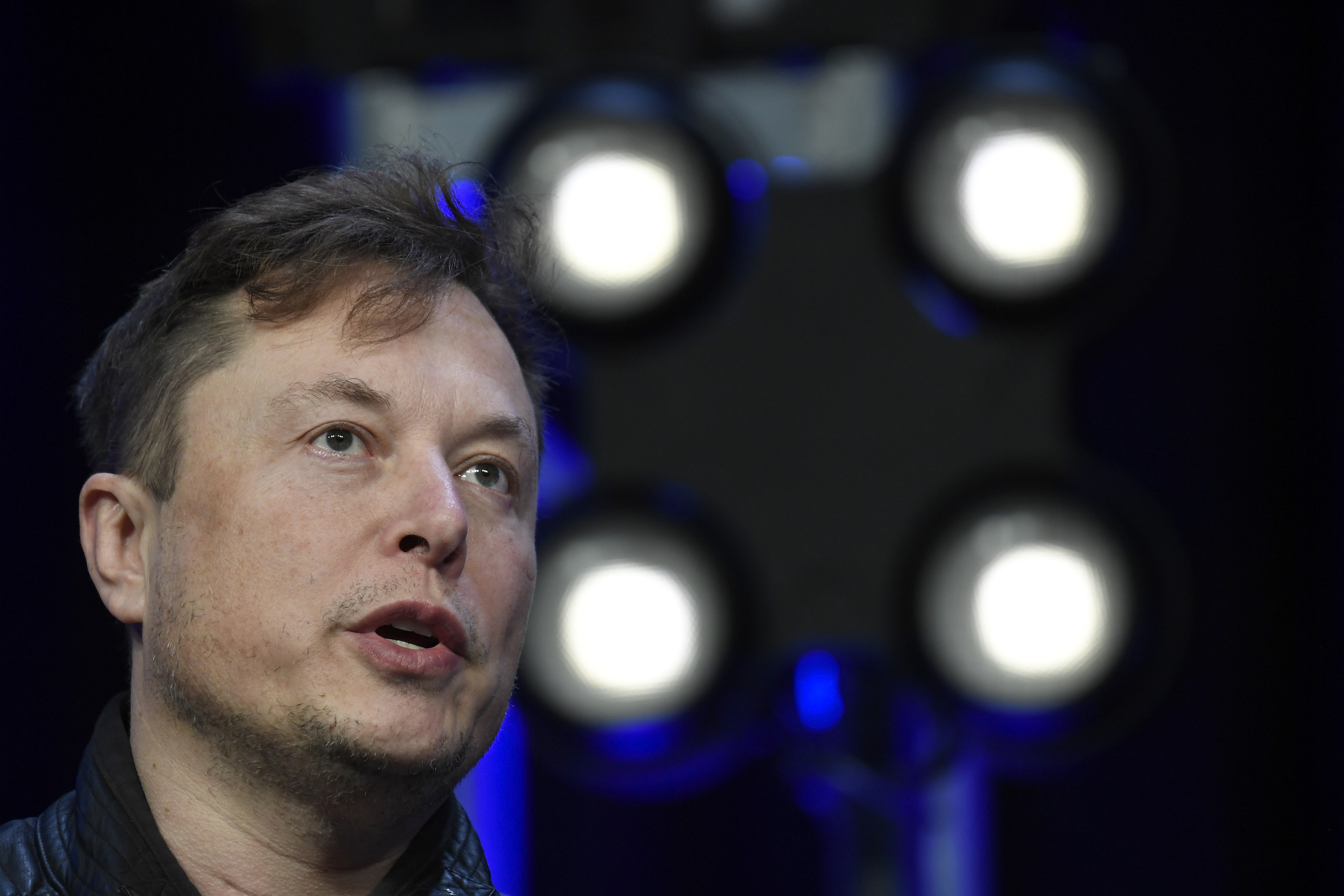
Elon Musk came to Twitter to clean house. And as evidenced by the Intercept’s explosive report that the social media giant collaborated with the Biden administration to police and censor “misinformation,” he has a fiduciary and moral obligation to do so.
Recommended Stories


Although Twitter will likely never again see the growth it saw during the decade of fast financing enabled by the Federal Reserve’s quantitative easing campaign, Musk’s first mandate is to expunge the dead weight of censorious bureaucrats and middle managers from Twitter’s payrolls.
TWITTER ERUPTS AS ELON MUSK SHARES CONSPIRACY THEORY ON PELOSI HOME BREAK-IN
Musk terminated the most nefarious of the pack, including Vijaya Gadde, the censor responsible for banning Donald Trump and silencing all discussion of the New York Post‘s infamous report about Hunter Biden’s laptop. Now, Musk may initiate his first ploy to weed out the weakest of his engineering team. The Verge reports that Musk will fire engineers if they fail to roll out a feature charging verified Twitter users $20 per month to keep their blue check marks by Nov. 7.
Journalists, already seething over Musk’s hostile takeover of their preferred platform, are apoplectic over the Verge report, prompting plenty to pledge that they’ll leave the site. Musk hasn’t denied the Verge report and, in effect, has correctly called the bluff of elite media. The uncomfortable truth is that journalists have come to need Twitter and its verification status much more than Musk or Twitter needs them.
Twitter remains relevant not because of the size of its audience but rather its taste-making ability — the fact that it is ahead of the curve. Information about politics, markets, and tech trends from Twitter to nearly every other social network. Although far more people use other platforms — Pew reports that fewer than 1 in 4 have ever used it, compared to nearly 7 in 10 who use Facebook — Twitter users skew much more educated and liberal than Facebook users.
The stated purpose of Twitter verification is to prioritize, say, journalist John Smith of the New York Times or another brand-name corporate news outlet over the thousands of other John Smiths who use the site. On the user’s end, verification also allows verified users to sort through follower lists and mentions by verification status, allowing verified accounts to connect more easily. But in practice, verification confers an elite status that goes beyond the practical aim of preventing impersonation.
In short, Musk is betting that journalists, a core part of the 10% of Twitter users responsible for generating 90% of all tweets, need their algorithmic status enough that whatever commissioned pieces, television bookings, and online mentions they generate by sharing content on the site will easily offset the $240 he plans on charging annually. All of this comes with the bonus of generating an excuse to fire engineers from the old guard for cause.
If journalists banked on Twitter for the raw clicks they gleaned from the masses of the site directly, a blue check mark wouldn’t matter. But instead, they know Twitter sets the news narrative first and, from there, percolates hot takes, TV hits, boomer memes, and voter conclusions across the rest of the internet and into ballot boxes. Musk is simply betting that enough journalists secretly know this. Without Twitter, where else would they turn?
I hear there’s this site called Truth Social, and it’s accepting new users…
