
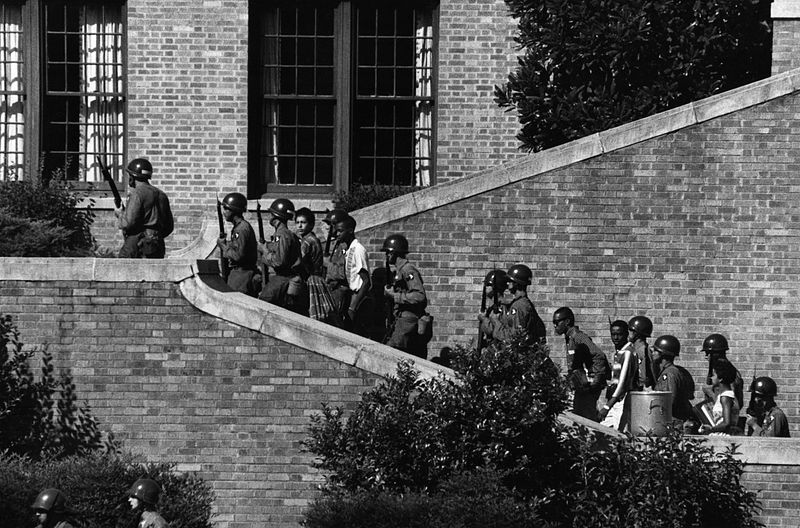
The first day of this month marked an important anniversary in our nation’s struggle for civil rights. Rosa Parks was not the first African-American to resist bus segregation when she refused to give up her seat on Dec. 1, 1955, in Montgomery, Ala. But as secretary of the National Association for the Advancement of Colored People’s Montgomery chapter, Parks was chosen for this act of defiance because she was thought to be the best candidate to see through a court challenge following her arrest.
Parks’ arrest sparked the Montgomery Bus Boycott. The Supreme Court declared bus segregation illegal one year later. Often overlooked is the price that Parks paid. Days after her arrest, she was fired from her job as a seamstress in a local department store. She relocated to Virginia two years later, largely because she was unable to find work.
Real journalism.Trusted by millions.
Unlimited access to in-depth reporting, expert analysis, and the stories that shape our country.
Already a member? Log in