

As the Christian celebration of the Easter holiday approaches and Jews honor Passover, tensions about how to commemorate Holy Week services have grown. Traditionally, these services take place in a house of worship with a religious leader present and other members of the faith gathered around. The challenge emerges because, due to the coronavirus lockdown, state and city officials across the country have strictly limited or banned all gatherings.
A few outliers have insisted on holding in-person church services despite quarantine orders, while a handful of state officials appear to be targeting churchgoers during this time. Thankfully, both instances seem to be exceptions rather than the rule. Most faith leaders have encouraged their congregations to livestream services from home. Still, congregants are left grappling with how best to express their beliefs under quarantine.
Recommended Stories


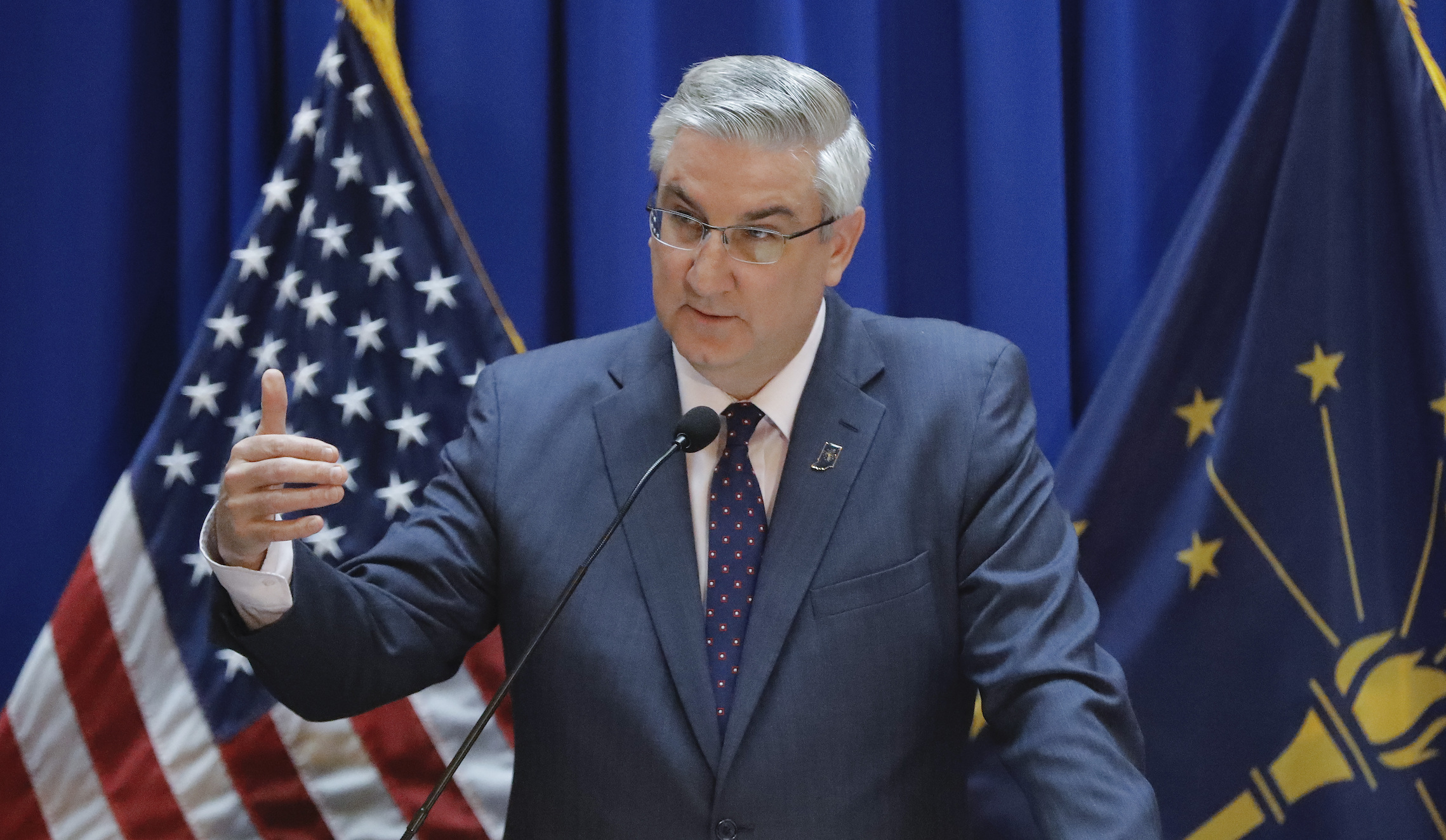
Indiana Gov. Eric Holcomb has come under fire for the executive order he issued Thursday that includes specific details about religious services this weekend. The order included directives such as “livestream or other virtual services are best” and mandated that if drive-in services are conducted, “attendees must be inside vehicles at all times” and “attendees should not interact physically with clergy, staff or participants in other vehicles.”
Despite the specificity, however, it’s important to note that Holcomb is not just targeting people of faith. His directives appear to be applied broadly to all public or private gatherings. In fact, the governor has encouraged the people of Indiana to continue to look to their faith for comfort.
“During this time of uncertainty, faith is more important than ever, and I am deeply grateful to our religious leaders for their efforts to find safe and creative ways to serve their communities,” Holcomb said. “The purpose of this guidance is not to restrict religious liberty but to save lives during these extraordinary times. I look forward to the day where we can once again worship side-by-side without the threat of spreading coronavirus.”
The mayor of Greenville, Mississippi, on the other hand, issued executive orders on April 7 that seem to target people of faith specifically and their freedom to worship. This is an important distinction when determining if state guidelines go too far in usurping a person’s religious freedoms, even during this time of a public health crisis.
I spoke to David Cortman, Alliance Defending Freedom senior counsel, on the phone about some of these unfolding issues and how First Amendment issues are applied during a crisis like this:
Cortman also explained he looked at whether or not an order is permissive or prohibitory.
Because Holcomb is still allowing religious organizations to meet as long as the Centers for Disease Control and Prevention guidelines are met and because his directives applied to all citizens, not just religious people, so far, his executive orders do not seem like an overreach of power. He has issued permissive orders. On the other hand, the mayor of Greenville appears to ban drive-in churches but not drive-in restaurants. And in an extreme twist, Baptist church attendees were fined $500 by police for attending a drive-thru service despite restrictions. This is a clear example of targeting people of faith with prohibitory orders.
It is important to keep an eye on state overreach even during a public health crisis such as this one, no matter how unprecedented. A few instances notwithstanding, it does appear that most state officials seem to be striving to encourage citizens to follow public health guidelines and still practice their faith. We must continue to strike a delicate balance between state powers and civil liberties as we navigate this unique new chapter in American life.
Nicole Russell (@russell_nm) is a contributor to the Washington Examiner’s Beltway Confidential blog. She is a journalist who previously worked in Republican politics in Minnesota.
