
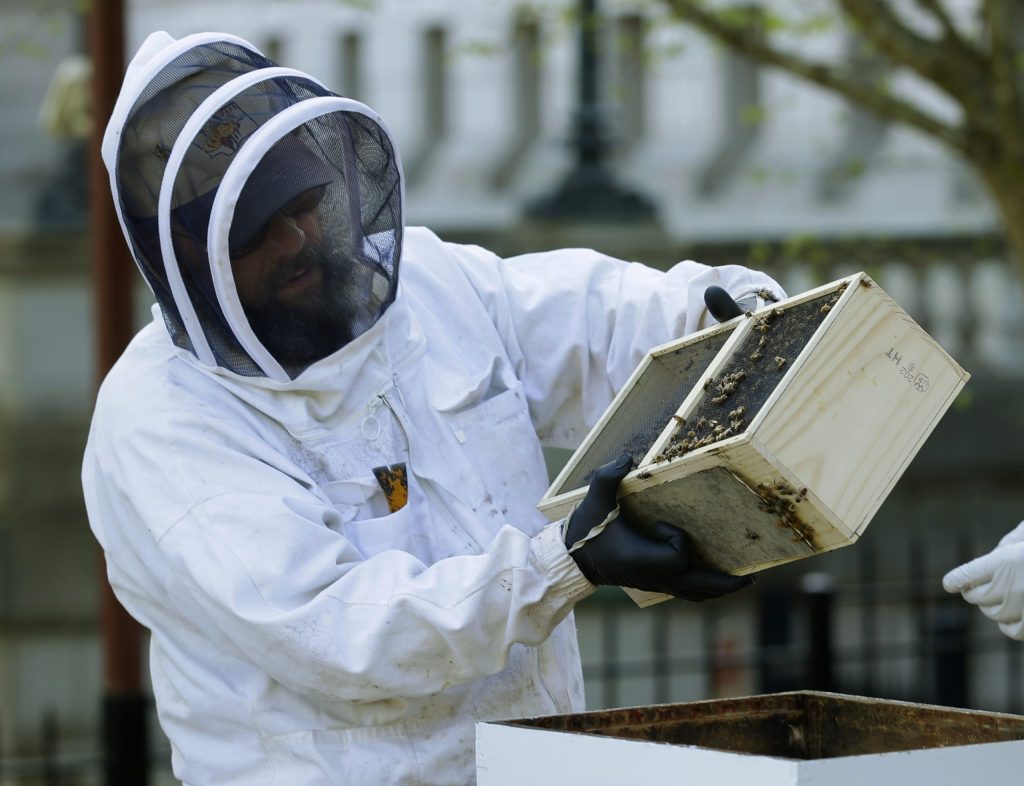
Some myths have the tendency of never going away. Lightning does, in fact, strike at the same place twice, your zodiac sign doesn’t mean anything, and a penny dropped from the Empire State Building wouldn’t kill a person. More elaborate myths have benefited from popular supporters and even made their way into parliaments and governments, one of which being the infamous “Beepocalypse.”
The idea that bee populations are on the decline has been debunked for more than half a decade, most notably through reporting in the Washington Post, which pointed out that contrary to popular belief, bee populations are at record highs. In fact, only 2% of wild species provide 80% of crop pollination, and those 2% are thriving. However, legislators and activist organizations are still using “bee decline” as a common reference to support or enact legislation to ban neonicotinoid insecticides in the European Union.
Stay informed for what's next
in the midterms.
Get unlimited access to Washington Examiner's midterm coverage, analysis, and political insights.
Already a member? Log in