
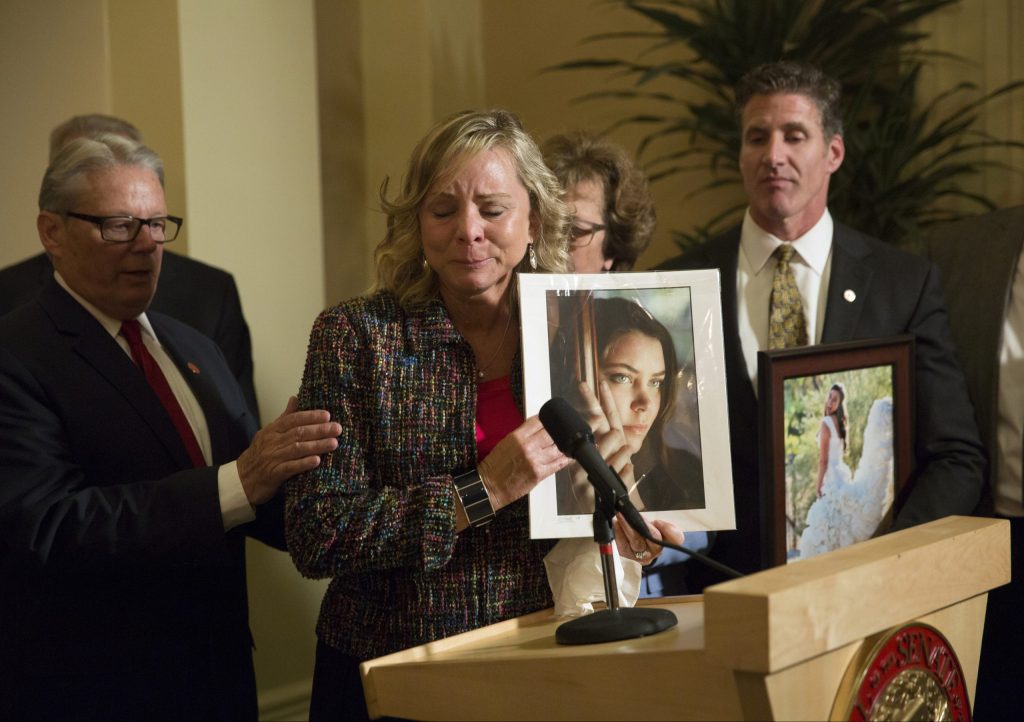
The disability community has been trying to have honest end-of-life conversations for years. After all, we’re the real experts on the front lines of the health care system that serves (and, sadly, often underserves) dying people. But for the most part, the megaphone has remained firmly within the grasp of the assisted suicide lobby and its well-intended supporters, many of whom haven’t been exposed to complete information about the construction, operation and consequence of such laws.
Last week, California became the fourth state to legalize assisted suicide, providing the state’s imprimatur on the notion that some suicidal people warrant suicide prevention services and some warrant help getting the job done. Tragically, the only difference between those two groups is their health status or disability. Those already at increased vulnerability for depression and abuse because of their failing health are the ones who get state-sanctioned assistance with their suicidal ideations.
Real journalism.Trusted by millions.
Unlimited access to in-depth reporting, expert analysis, and the stories that shape our country.
Already a member? Log in