In 1977, the exploration vessel Alvin dove 2,500 meters below the ocean waves enabling geologists to observe directly, for the very first time, the strange lifeforms that swarm around the super-hot vents at the planet’s mid-ocean ridges. Forty years later, new forms of extraordinary creatures patrol these depths. Employed in mine hunting, hull inspection, port patrol, environmental monitoring, and many other functions, underwater unmanned vehicles (UUVs) are now so numerous and diverse in their design and mission that the United States has developed a technology roadmap — now in its third version — to integrate the technology into conventional warfighting and peacetime missions.
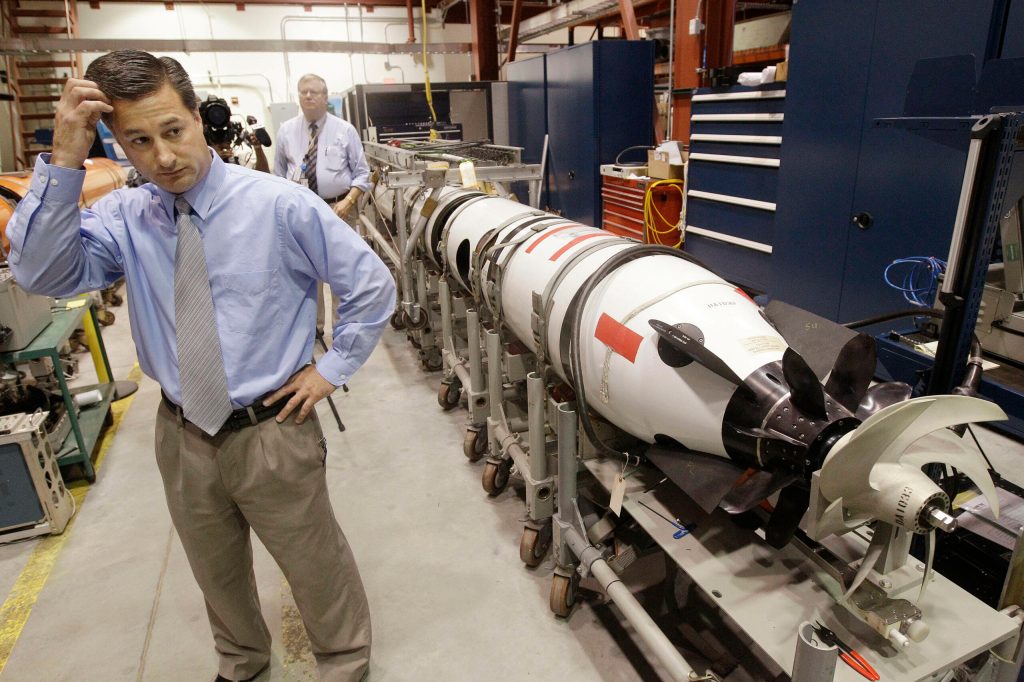
Worldwide, demand for UUV units is expected to grow by 49 percent from 2016 to 2020 (of which 73 percent are expected to be used in the military, but there is rapid growth in the oil and gas sector). Some of the propulsion and mobility designs are borrowed from the natural world, and many look more like torpedoes. Fuel cells have increased UUV range and even traveling at a leisurely 2 knots, most types can roam far from their launch vessel or the shoreline, easily reaching the 12-mile nautical limit and beyond.