

The controversial “yes means yes” sexual consent law is picking up steam in the Northeastern United States.
Lawmakers in Maryland (not technically a Northeastern state but close geographically) and Connecticut have introduced bills to bring the new definition of consent to their states, and Democratic Gov. Andrew Cuomo wants to expand the definition from public to private universities in New York.
Recommended Stories


In Maryland, Del. Frank Conaway, D-Baltimore City, introduced the bill so that “no one is taken advantage of.” No one, that is, except the young men who under these laws have no due process rights or ability to prove they obtained consent.
In Connecticut, state Sen. Mae Flexer, D-Killingly and Rep. Gregory Haddad, D-Mansfield, introduced the bill to provide consistency statewide about what is and isn’t consent.
“We as a society need to engage in these types of ongoing discussions in order to create more understanding, higher expectations, and greater safety for young men and women,” Flexer said in a press release. “Hoping that the scourge of campus sex assault will just go away is not an option.”
Engaging in an ongoing discussion is one thing, proposing a law based on hysteria in order to look tough on sexual assault is quite another.
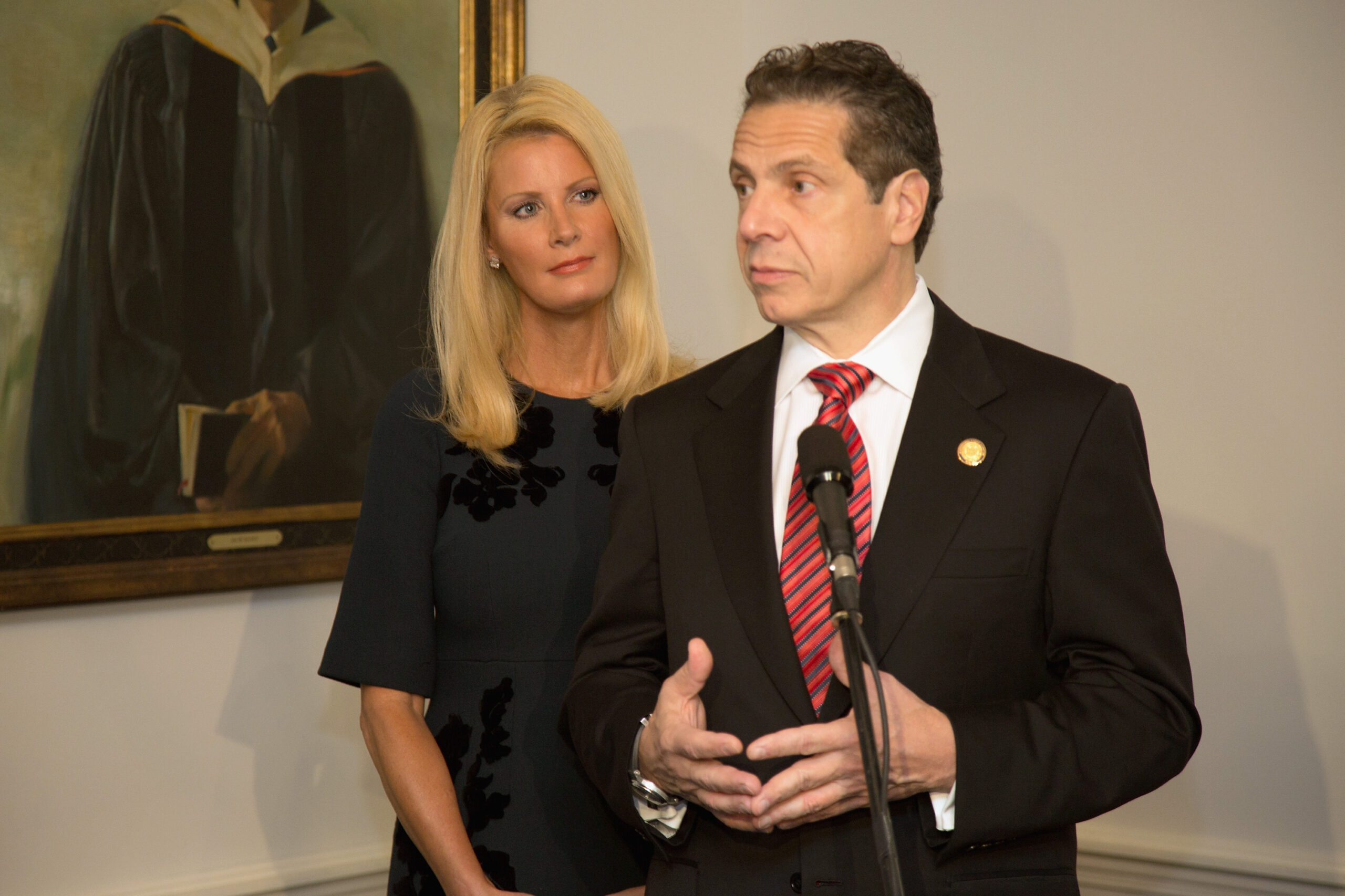
And in New York, Cuomo wants to expand the consent definition to include private universities in addition to public universities.
To sell his proposal, Cuomo leaped back years to a debunked study — not the discredited “one in five women will be sexually assaulted in college,” but the even earlier discredited “one in four” from the 1990s.
But then, the rush to create new definitions about sexual assault was never based on facts. It has, from the beginning, been about looking tough on an issue in order to cover one’s rear end — even at the expense of innocent people being wrongly accused more often.
