After three years of preparation, the Tysons Corner Task Force will submit its final report to the Fairfax County Board of Supervisors next month, but it won’t be worth the paper it’s printed on. Why? Because the redevelopment plan depends on revival of the all-but-moribund Dulles Rail project, and because the task force failed to resolve a key issue: What about the gridlock that will paralyze residential communities around Tysons Corner if projected traffic densities are approved, with or without Dulles Rail?
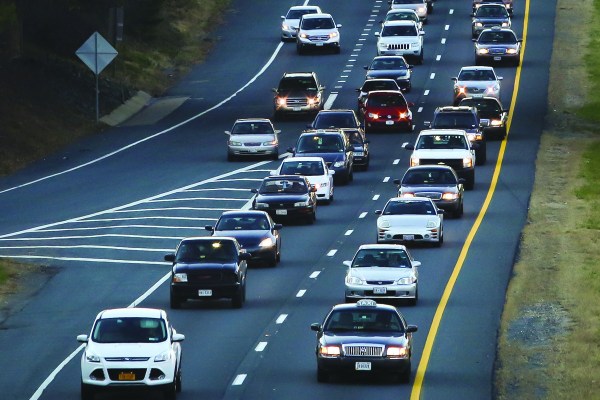
The task force projects a substantial increase in daily weekday traffic in an area already so heavily congested that commuters use low-volume residential streets to bypass miles of routine backups on the Beltway between Tysons Corner and the American Legion Bridge. Even without a comprehensive and detailed professional analysis of projected traffic volumes, it’s estimated that increasing density in Tysons will add a minimum of 10,000 more cars per day to Route 7 and Gallows Road. This is ludicrous when both thoroughfares can’t handle even 100 more cars during rush hour.

Recommended Stories
Fairfax Supervisor John Foust, D-Providence, agrees that traffic studies are a must before any final changes are made to the county’s comprehensive plan. At his first board meeting, Foust said Tysons developers should pay for the studies, but was rebuffed. He’s still waiting for county government’s professional staff to recommend somebody else to pay for the study. “If the Tysons Task Force hasn’t gotten the data needed to make their final recommendation, they haven’t done their job,” Foust told The Examiner.
But lack of data is apparently not enough to stop task force members from making recommendations to the Board of Supervisors that could adversely affect thousands of Fairfax County residents. A telling exchange between task force chairman Clark Tyler and McLean Citizens Association’s Susan Turner during a recent meeting explains why. When Turner said increasing density in Tysons Corner must be contingent on transportation infrastructure improvements, Tyler cavalierly responded: “Not really.”
This attitude explains why Fairfax County violated its own policy requiring that all new development be limited to levels that can “reasonably be accommodated” by existing or planned transportation systems when supervisors approved the existing 45 million square feet in Tysons — adding just six traffic lanes to accommodate 108,000 new workers. This is the root cause of the current traffic congestion problem, and the task force’s “final” plan is guaranteed to make it much worse.