

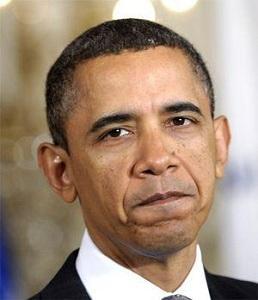
Standard and Poor’s explanation for why it downgraded U.S. debt is written in such a way that it can be seized upon by all ideological stripes. The statement cites the unwillingness of Republicans to raise taxes and of Democrats to agree to entitlement cuts. And the rating agency’s discourse about the political dysfunction will provide column fodder for Washington pundits who long for the days when both parties would work together to reach compromises. But make no mistake, when all the dust settles, it will be difficult for President Obama to escape blame for this.
Defenders of Obama will attempt to pin the blame on his predecessor, President Bush, and on intransigent Tea Party radicals in the current Congress. But that would leave out the part in between. For his first two years in office, Obama’s party controlled both chambers of Congress – for part of that period, he had a filibuster proof majority in the Senate. During that time period, he and his fellow Democrats could have passed his supposedly ideal, long-term, deficit-reduction package — one that represented a “balanced approach” between spending cuts and tax increases. It also could have delayed the deficit reduction for several years, so it wouldn’t have affected the current weak economy or the “investments” he considers crucial. Forget about actually accomplishing serious deficit reduction — he didn’t even attempt it.
Stay informed.Stay ahead.
Join Washington Examiner for unlimited access to the news, analysis, and commentary that matter most.
Already a member? Log in
