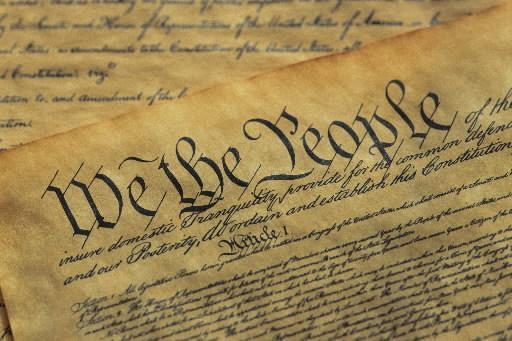
Tea partiers and those sympathetic to the tea party movement like to call themselves constitutional conservatives, and for good reason. The tea party movement built on Americans’ increasing interest in and respect for the Founding Fathers—apparent in the bestseller status of many of fine books written about them, by academic and non-academic historians alike—and have directed attention back to the words of our founding documents, the Declaration of Independence and the Constitution. One result is that the Supreme Court is now seriously considering whether a major piece of economic legislation, Obamacare, is constitutional, the first such case in more than seventy years.
But constitutional conservatives need to keep in mind that the Constitution places limits on them as well as others. The conservative House Republicans who rejected (or forced Speaker John Boehner to reject) the Senate’s patchwork compromise on the payroll tax extension bill had good policy reasons to do so, but that turned out to be terrible politics. These conservatives have been frustrated that despite their historic victory in the November 2010 elections, they have not been able to achieve many of their policy goals.