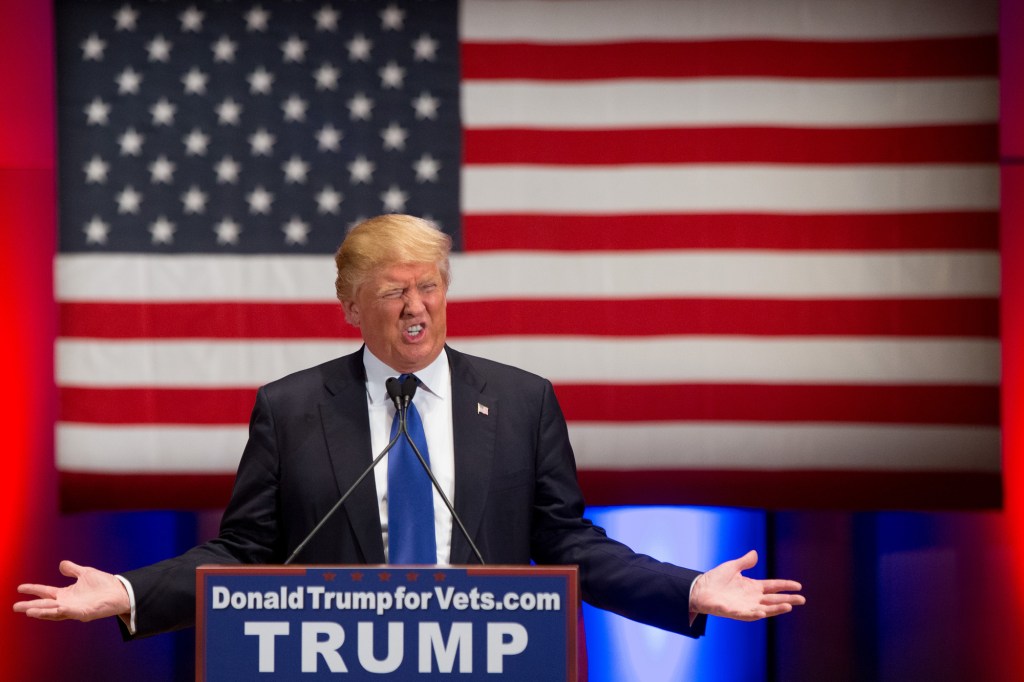
What I found most interesting about the Fox News Republican debate in Des Moines was Marco Rubio’s strategy to try to leverage upward his current third place position in the Iowa polls, where he runs in double digits, well behind Donald Trump and Ted Cruz, but perceptibly ahead of the others who are in single digits. Rubio used question after question to respond in religious language, in a state where 57 percent of caucus-goers in 2012 described themselves as evangelical Protestants. And again and again he launched strong attacks on Hillary Clinton, an attempt to make the argument, without explicitly saying so, that he would be the strongest Republican nominee in the general election, a proposition that is supported, but only weakly, by current polling but which I think is part of an inchoate feeling that because of his fluency and likability that he would be a strong nominee. Rubio needs an unambiguous third place in Iowa (or better) to get a bump in New Hampshire that would send him above the statistical tie where he is now in New Hampshire polling with Cruz, John Kasich and Jeb Bush.
Fox anchor Megyn Kelly, cited by Donald Trump as his reason for avoiding the debate, put both Rubio and Ted Cruz on the spot on immigration by showing videotapes of them speaking about the issue in the years before 2010 and 2013 (including Cruz speaking to Princeton’s charismatic conservative professor Robert George). The tapes showed that they had changed position. Cruz responded with arguments which were intellectually coherent; Rubio without saying so — and in the face of contradiction by Jeb Bush — admitted he had changed his view and, looking ahead, assured voters that he would not support legalization of illegals until it was assured that he border was secured and enforcement was effective. Cruz’s description of his legislative strategy, in contrast, was adept but perhaps a bit arcane; more convincing was his multiple reminders that he is endorsed by Senator Jeff Sessions and Iowa Congressman Steve King.