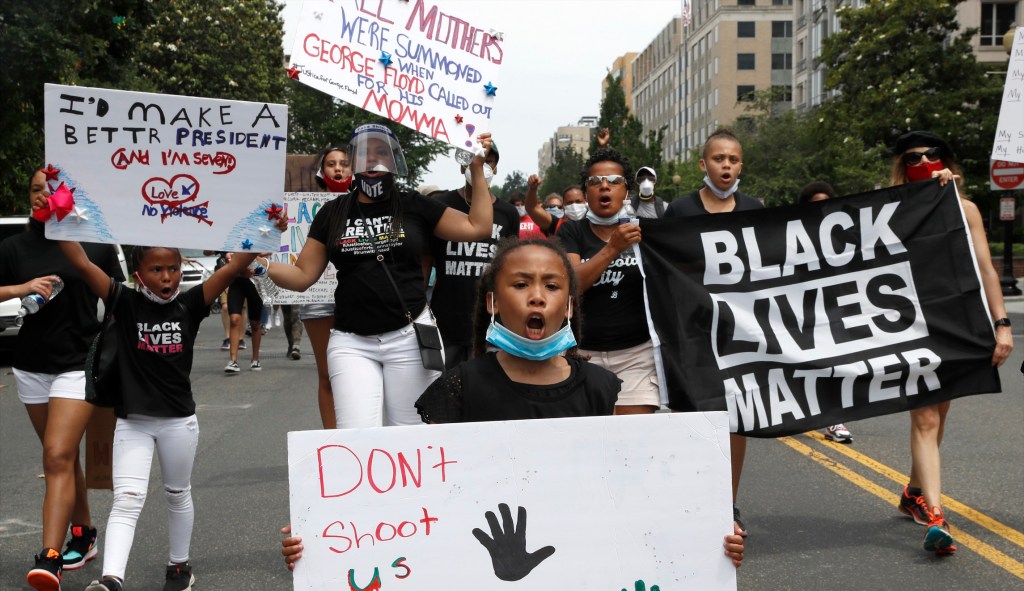
June 19, also referred to as “Juneteenth” or Freedom Day, marks the day in 1865 that Union soldiers finally read the Emancipation Proclamation to enslaved African Americans in geographically isolated Galveston, Texas. Celebrated widely throughout the South and in a growing number of cities across the country, the holiday now commemorates the end of slavery and the struggle for post-war civil rights.
Arguments that the accomplishments celebrated on Juneteenth represent a rejection of America’s irredeemably racist founding are becoming increasingly pronounced. Such sentiments have been abetted by the recent publication of the New York Times’s 1619 Project — which aims, in the words of its director and creator Nikole Hannah-Jones, to “reframe the country’s history,” by tracing the founding of America to 1619 (the year the British first brought African slaves to Virginia), rather than to 1776 (the year the Continental Congress adopted the Declaration of Independence).