

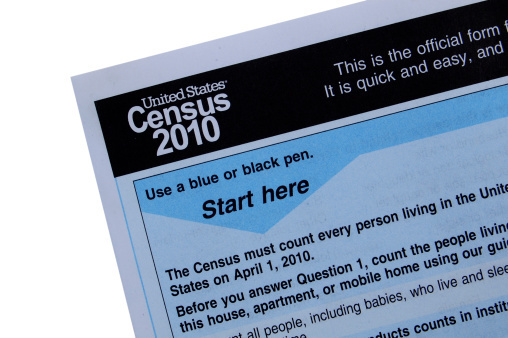
My American Enterprise Institute colleague Nick Eberstadt provides a reminder that the federal government has been a pioneer in producing useful and reliable statistics. It began with the Constitution’s unprecedented and, in Eberstadt’s words, âtruly revolutionaryâ requirement that a census of population be conducted at regular intervals and that the number of representatives each state would have in the House of Representatives would be based on it.
Thatâs the good news. The bad news is that the quality and quantity of government statistics has been deteriorating. Eberstadt decries in particular the governmentâs âhastily devised âfederal poverty measureâ unveiled in 1965,â which he characterizes as ânot merely a bad yardstickâ but âan awful one.â It misstates actual poverty by measuring income rather than consumption (most American lower-income people consume more than they earn) and is based on an assumption, not wholly unwarranted in 1965 but antique now, that households spend about one-third of their incomes on food.
Stay informed.Stay ahead.
Join Washington Examiner for unlimited access to the news, analysis, and commentary that matter most.
Already a member? Log in
