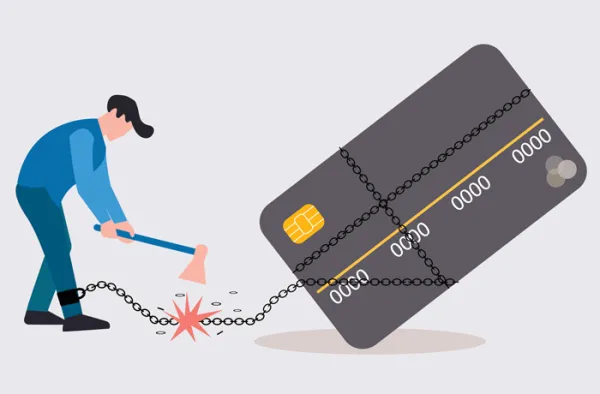
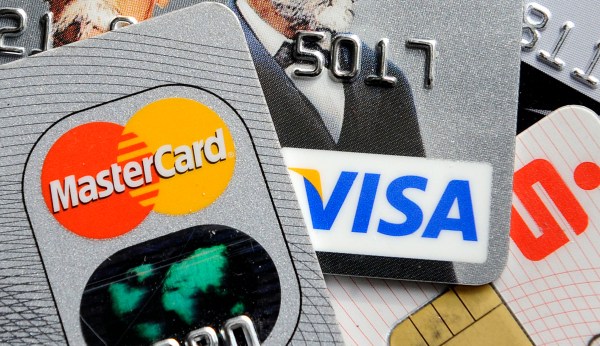
If the economy is truly as abysmal as the pundit class claims it is, consumers evidently have not yet gotten the memo. Half of all holiday shoppers told PayPal that they would finance their purchases with “buy now, pay later” schemes, spending over $10 billion in November. According to Adobe, total holiday spending financed by BNPL schemes is projected to be 11% higher by the end of 2025 than it was last year.
Financial analysts have used the 23% increase in BNPL-funded Black Friday purchases as evidence of an increasingly impoverished consumer, and Democratic state attorneys general have begun formally questioning BNPL providers, with Illinois Attorney General Kwame Raoul insisting that BNPL firms disproportionately victimize “individuals who are facing financial hardship.”