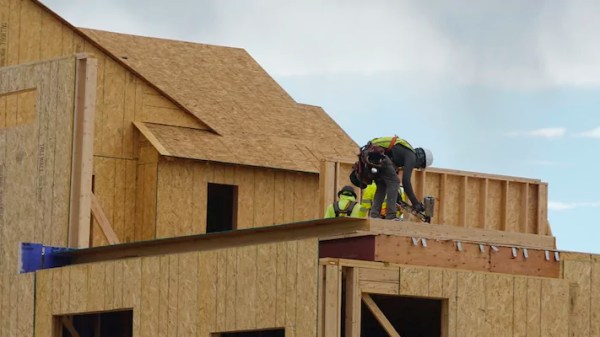
Rhode Island has spent an eye-popping $52.2 million to produce 200 rental units since voters approved a $120 million housing bond in November 2024, a local nonprofit research organization has revealed.
The Rhode Island Public Expenditure Council’s 35-page report reveals the imprudence commonly found in government-financed housing initiatives. The Ocean State subsidized half of each rental unit’s development costs, which RIPEC found were almost 50% higher than in the private sector.
Recommended Stories
Going back to 2021, the state has invested $522 million and is projected to produce just 2,207 affordable units, which is only about 10% of the state’s 23,222 housing-unit deficit.
Rhode Island’s $52.2 million blunder is the latest body in the big-dollar housing subsidy graveyard. Keynesian-esque, government-financed housing development has floundered nationwide.
In April, Chicago announced a $300 million taxpayer investment in a new $700 million plan to construct 798 units and preserve another 425. The plan will make 1,164 housing units affordable through Chicago Housing Authority apartments and low-income units designed for households earning one-third of the area’s median income.
The city’s announcement must be music to the ears of residents who pay the nation’s fifth-highest median rent. Chicago has spent $324 million under Mayor Brandon Johnson with 505 “affordable” units to show for it.
California has an equally absurd track record of subsidized housing development. A 2025 RAND report concluded that low-income housing costs $662 per square foot to develop, which is 1.5 times the market rate for units in the Golden State. In 2020, a Los Angeles Times investigation uncovered a low-income building whose apartments cost $1 million each.
Private lenders are wary of developments that are likely to lose money, but government subsidies rarely cover the full cost of a project. As a result, affordable housing developers often cobble together financing from multiple federal, state, local, and nonprofit sources before construction can begin.
“If you think about your normal private market, real estate transaction, there are two sources of capital,” says RIPEC Senior Analyst Dr. Jeff Hamill. “When you buy a house, you make a down payment and take out a mortgage — that’s all there is.”
“But when it comes to financing affordable housing, I have seen projects with up to twenty sources of financing,” Hamill continued. “The average probably has six or seven. Each of these sources might have different rules and requirements.”
The Terner Center for Housing Innovation at the University of California, Berkeley, found that each additional funding source extended a project’s timeline by four months and increased costs by $20,500 per unit.
Worse, government-financed housing projects often require developers to integrate hilltop planners’ irrelevant policy priorities. Labor requirements, climate policy, and community benefits agreements bloat building costs.
Take New York City Mayor Zohran Mamdani’s new housing plan, a $22 billion capital investment to build 200,000 new rent-stabilized units and renovate another 200,000. The City Council’s new Construction Justice Act requires city-contracted developers to pay their workers $40 per hour in wages and benefits, with a $25 minimum wage floor. That $22 billion might have bought New Yorkers more apartments if Mamdani’s “Block by Block” plan had been announced six months earlier.
Consider a similar case on Smith Hill: Rhode Island General Law §31-28-12.
“There’s permanent housing development support for housing that targets people who are homeless or disabled,” Hamill said. “But the state requires that you put in EV charging stations. So, the developer had to put in EV stations for a development for people who are homeless and disabled.”
Micky Horstman, communications manager for the Illinois Policy Institute, sees the same bureaucratic roadblocks in Chicago.
MAMDANI’S HOUSING PLAN WILL NOT SOLVE NYC’S HOUSING CRISIS
“Chicago’s Affordable Requirements Ordinance, community engagement meetings, and aldermanic prerogative are commonly used to kill or downsize new developments at a time when residents desperately need more housing stock,” he told The Washington Examiner.
Rhode Island does not need another expensive housing bond that enriches bureaucrats, consultants, and favored developers while producing too few homes. It needs a simpler, faster, cheaper housing policy that removes barriers to construction. If lawmakers want more affordable housing, the answer is obvious: Let builders build.