

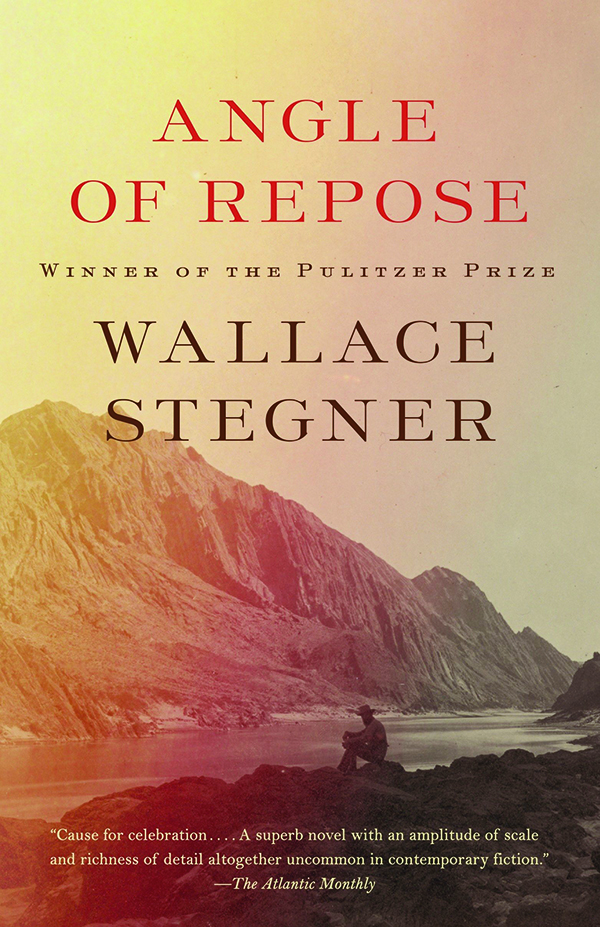
Fifty years after its publication in 1971, Wallace Stegner’s Angle of Repose, winner of the 1972 Pulitzer Prize for fiction, remains an enigma and a delight.
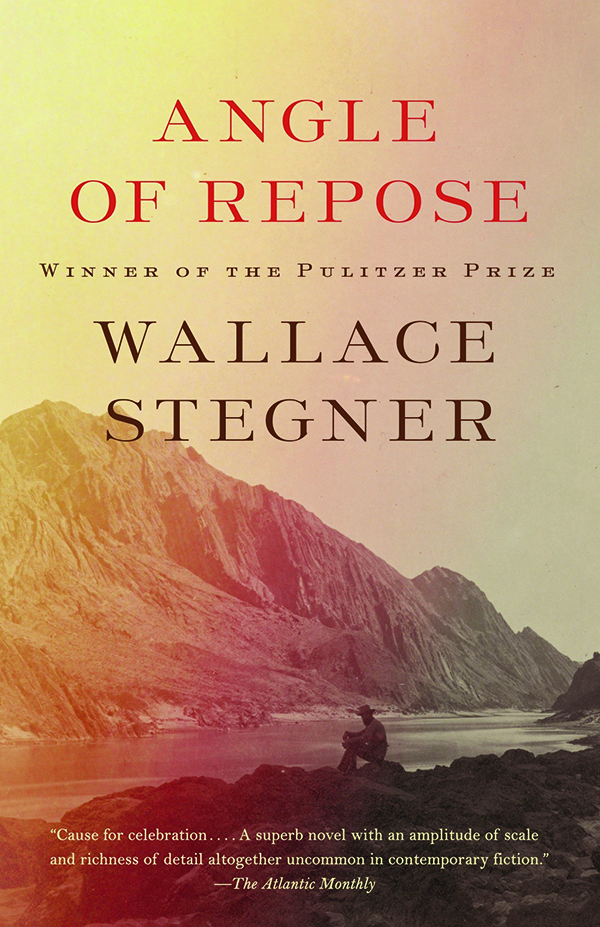
Its prose is pitch-perfect, old-fashioned, past tense, refreshingly lucid, and free of voguish artifices that deflect attention from the narrative to the author. Yet, at the same time, without being obscure or difficult, the novel’s structure is necessarily complex. This complexity creates space for extraordinary levels of nuance and doubt about the narrator’s reliability. The combination makes Angle of Repose a compelling study of character, relations, and contrasting epochs in American life.
Stay informed.Stay ahead.
Join Washington Examiner for unlimited access to the news, analysis, and commentary that matter most.
Already a member? Log in
