

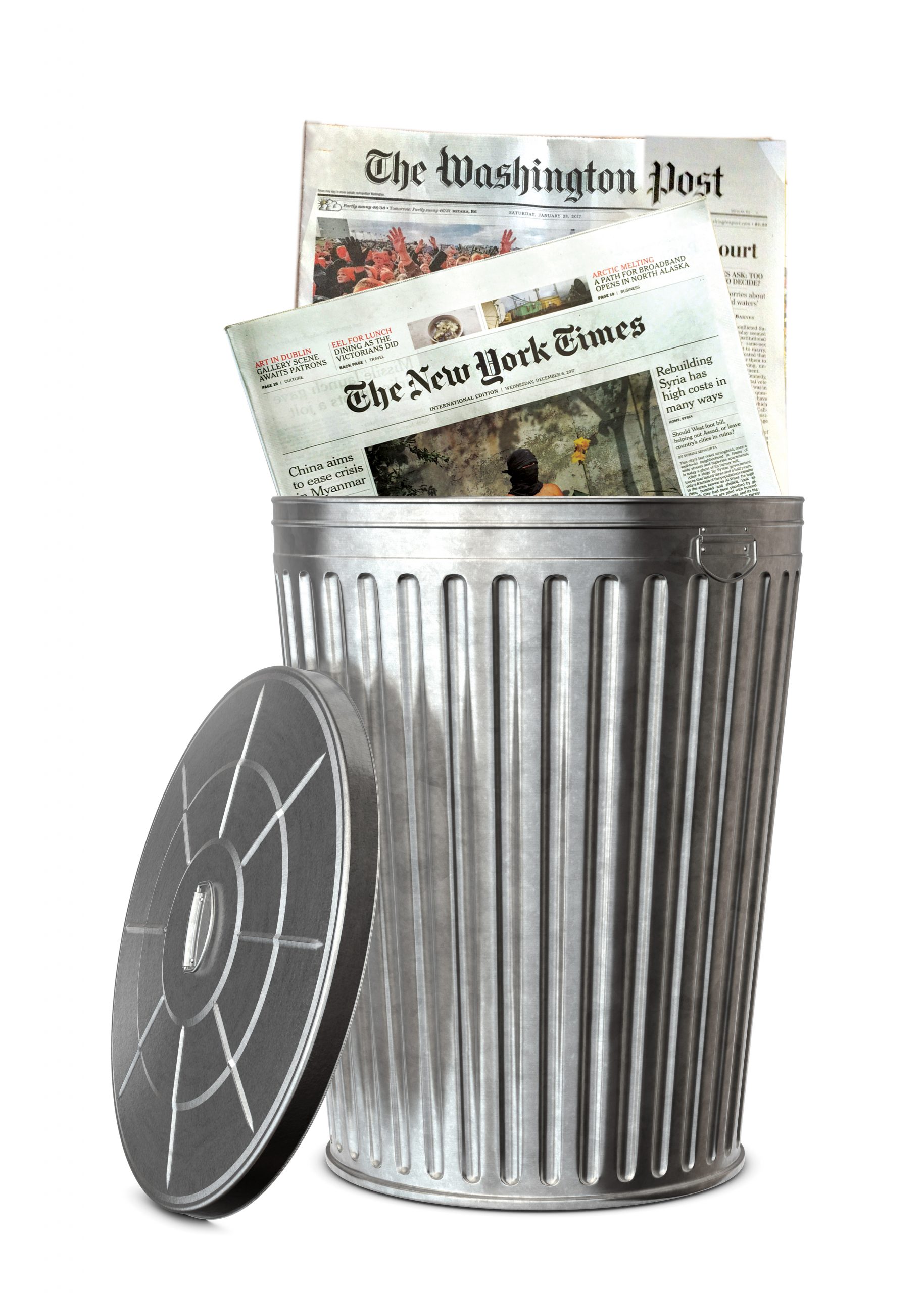
Readers of The Scrapbook will remember New York Times columnist Anna Quindlen, author of some of the most widely praised and dumbest columns ever written. Quindlen stepped down from the Times in 1995 in order to pursue a career as a writer of sentimental novels, and it has to be said she’s done well for herself.
Those who remember her as a Times columnist, however, will recall her distinctive and powerful combination of tired metaphors, glib phrasing, and artificial outrage, and especially her strong propensity to argue fiercely for points few of her readers would disagree with. The critic Lee Siegel, in a 1999 essay for the New Republic, called this propensity “the Quindlen Effect.” The object of her ire was often something “no sane Times reader would ever defend,” he wrote, but Quindlen would go on at length in a “surfeit of sentiment ringing with an absence of true feeling.”
Stay informed.Stay ahead.
Join Washington Examiner for unlimited access to the news, analysis, and commentary that matter most.
Already a member? Log in
