

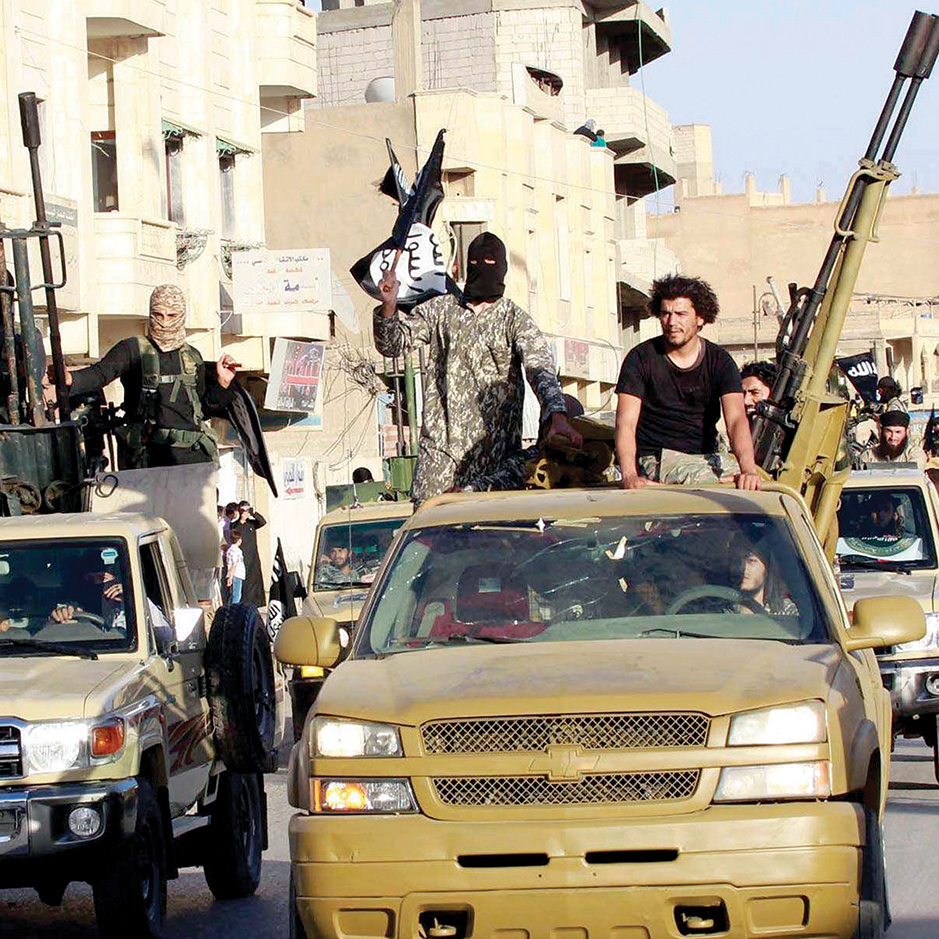
Barack Obama’s habit of avoiding Islamic nomenclature and highlighting American gun violence whenever Muslim terrorists strike is surely, in part, a product of his fear of anti-Muslim xenophobia in the United States. Before the rise of Donald Trump, Americans on the right might have scoffed at that concern as an expression of left-wing anti-conservative bigotry. That isn’t as easy to do now: Understandable anxiety about Islamic militancy—how a small number of American and European Muslims can go jihadist with internal-security services unable to stop them—has led many Americans to become sympathetic to a ban on Muslim immigration and much more intrusive surveillance of Muslims in the United States. Whether Obama’s trepidation is a wise choice domestically—Trump’s nasty rhetoric, at full volume after the Orlando massacre, feeds on the president’s caution—is nevertheless secondary to the question of whether it is wise strategically. Islamic radicalism generated in the Greater Middle East, after all, has sparked, if not defined, the holy war embraced by Muslims in the West.
Would a more intellectually honest description of this militancy prove helpful in the soft- and hard-power fight against Sunni and Shiite Muslims who intend non-Muslims harm? Many on the right, and not a few on the left, seem certain that correct labeling is essential if we are to confront effectively this radicalism. Many on the left, and a few on the right, are equally certain that the president’s lexical caution is astute.
Stay informed.Stay ahead.
Join Washington Examiner for unlimited access to the news, analysis, and commentary that matter most.
Already a member? Log in
