

Abortion-rights activists often try to frame their issue as if it were merely a question of sexual liberation. This is why they invariably ascribe bad motives to everyone who opposes their fairly extreme position.
If (like the overwhelming majority of Americans) you believe there should be some limit on abortion at some point in the nine months between conception and birth, then it must be because you want to control women’s bodies. What else could it be?
Recommended Stories



As the abortion debate gets louder and more shrill, this is the sort of thing abortion fans have to shout within their own minds. It helps them avoid listening and thinking about the flaw in this logic. It is a means of evading the scientific and moral fact that abortion ends a human life. The unwillingness to confront that fact — even if only to justify, rationalize, excuse or apologize for it — is the mark of avoiding the real issue when it comes to abortion.
To establish that abortion takes a human life, one could argue from faith, philosophy, or just the proven biological and genetic humanity of the unborn. But this month, the nation is being given unlikely new proof not only that the unborn are human, but that everyone implicitly accepts that they are human, whether or not they are willing to say it out loud.
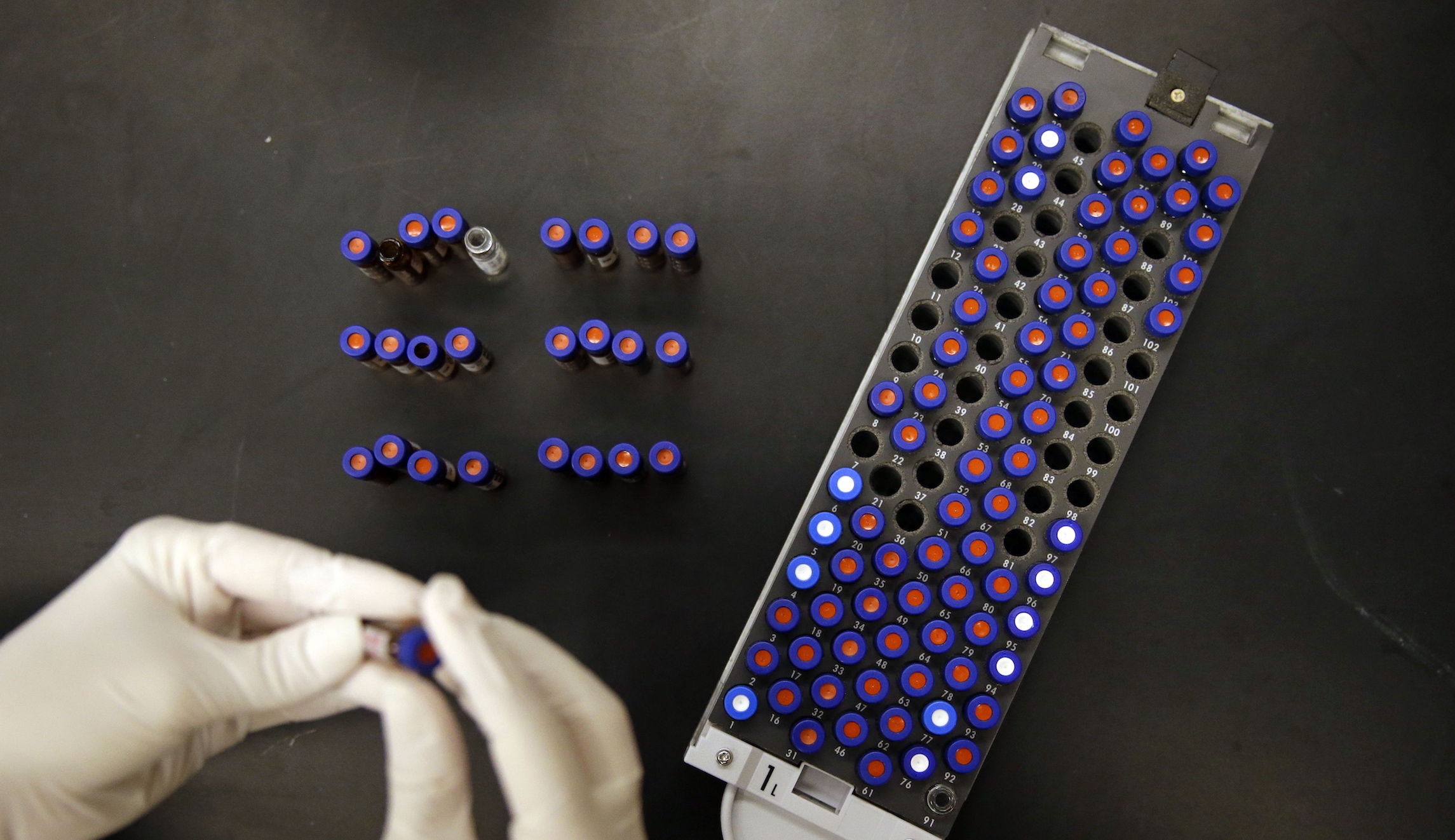
The Trump administration announced last week that it is pulling the plug on government funding for scientific experiments on fetal remains. This experimentation helps sustain the abortion business. And it is common enough that entire papers have been published on how to perform late-term abortions so that the best possible livers can be harvested from them.
Disregarding the very real ethical concerns about this practice, some scientists and advocates are complaining that Trump’s action will be a setback for medicine. Experiments on fetal tissue, they have argued, might produce treatments or cures for various conditions — everything from chronic liver failure to HIV.
But embedded in that very complaint is an unwitting admission. There is an advantage to harvesting aborted babies’ body parts for scientific experiments as opposed to, say, experimenting on animal tissue, and it is that experiments on humans provide results that are better applicable to human medicine. Scientists are aware that what works in mice will not necessarily work in humans, and so greater value is placed on experiments conducted on human subjects.
Within the very complaint against Trump’s action, then, is a tacit admission of the humanity of a fetus genetically distinct from its mother. Thus, although one can argue that the need to learn and discover overrides this human’s right to live, only through denial can one pretend there is no humanity and no ethics question to grapple with.
Human experimentation is a perilous topic in ethics that potentially violates human rights. It always requires, at a bare minimum, the informed consent of the subject. And it is not enough merely to argue that a subject is already dead, especially where the experiment makes the killing lucrative or provides a justification for it in the first place.
The bottom line is that there are very serious ethical questions about the science that taxpayers have been funding. It appears unethical on its face, but it is at least very controversial enough that funding for it should be voluntary. Taxpayers should not be forced to fund experimentation on the unborn with grants. Trump has undoubtedly done the right thing, and for that he deserves thanks.
