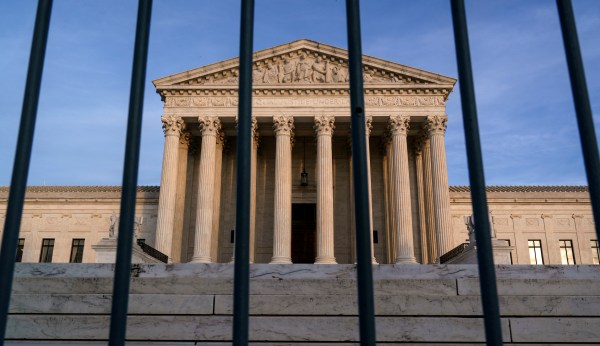
In his concurring opinion regarding Espinoza v. Montana Department of Revenue, Justice Samuel Alito gave a history lesson about a trend long forgotten from an era that seldom gets much attention from the popular imagination. The virulent anti-Catholicism of the late 19th century seems obscure today, but it was an omnipresent and ugly fact of life at that time.
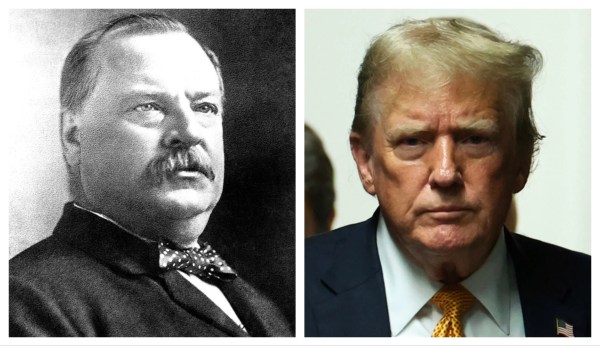
Such bigotry is believed to have turned the course of the 1884 presidential election. That was when a Presbyterian minister denounced the Democratic Party as the party of “rum, Romanism, and rebellion” at a New York City event for the Republican candidate, James Blaine. The comment, in a heavily Catholic city, was amplified all over the nation by Democratic newspapers. It backfired spectacularly in the last days before the election, and Grover Cleveland won a surprise victory.